
-
Other Gear & Accessories
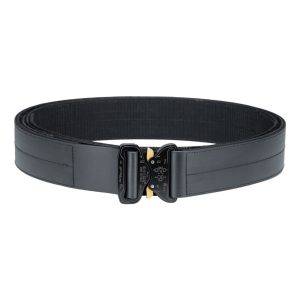
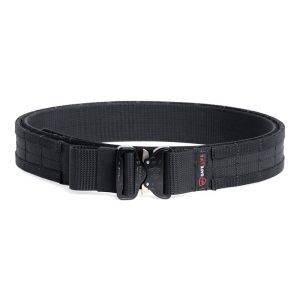
Basketweave Duty Belt
Price range: $120.00 through $145.00 Select options This product has multiple variants. The options may be chosen on the product page -
Other Gear & Accessories
Classic Duty Belt
Price range: $89.00 through $114.00 Select options This product has multiple variants. The options may be chosen on the product page -
Other Gear & Accessories
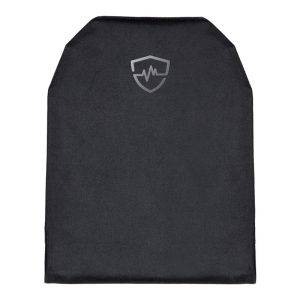
FRAS® Rifle Plates – 10″x12″
Price range: $499.00 through $898.00 Select options This product has multiple variants. The options may be chosen on the product page -
Other Gear & Accessories
FRAS® Rifle Plates – 8″x10″
Price range: $449.00 through $799.00 Select options This product has multiple variants. The options may be chosen on the product page -
Other Gear & Accessories
Hard Rifle Plate Level IV ICW
Price range: $169.00 through $338.00 Select options This product has multiple variants. The options may be chosen on the product page -
Other Gear & Accessories
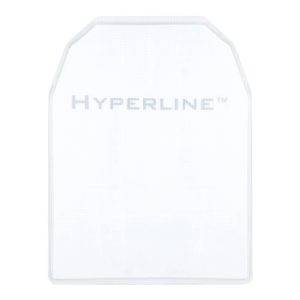
HYPERLINE™ Level IIIA Backpack Armor
Original price was: $299.00.$149.50Current price is: $149.50. Add to cart -
Other Gear & Accessories
Plain Leather Finish Duty Belt
Price range: $120.00 through $145.00 Select options This product has multiple variants. The options may be chosen on the product page -
Other Gear & Accessories
Pro-Cleaner Professional Gear Detergent – Large 1 Gallon (case of 4 min.)
$54.95 Add to cart -
Other Gear & Accessories
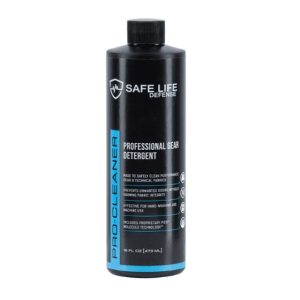
Pro-Cleaner Professional Gear Detergent – Standard 16oz (case of 6 min.)
$24.95 Add to cart -
Other Gear & Accessories
Pro-Cleaner Professional Gear Detergent – Team 5 Gallon
$204.95 Add to cart -
Other Gear & Accessories
Pro-Cleaner Professional Gear Detergent – Travel 4oz (case of 12 min.)
$11.95 Add to cart -
Other Gear & Accessories
Refresher – Professional Gear Odor Eliminator – Large 1 Gallon (case of 4 min.)
$54.95 Add to cart





Buyer’s guide
How to choose gear and accessories that actually fit your kit
Accessories are where most kits go wrong. A good vest or duty belt can be undermined by a pouch that does not fit your magazines, a backpack panel that does not fit your pack, or a belt that sags under load. Before you add anything to your cart, start with what you already carry and what the item has to work with.
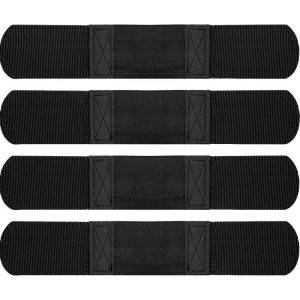
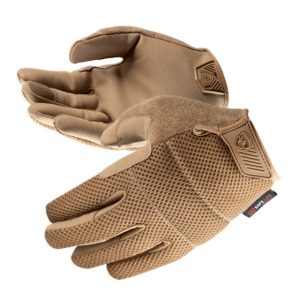
This category mixes several kinds of product: load-bearing items such as belts, magazine pouches and baton holders; protective items such as backpack panels and hard or flexible plates; support items such as comfort straps and an armor bag; identification items such as name tags and patch packs; and consumables such as gloves and cleaner sold in case quantities. Each group has its own buying questions, covered below.
Start with the platform
Decide what the accessory attaches to first: a duty belt, a plate carrier, a concealable carrier or a backpack. Attachment method, width and spacing matter more than the accessory itself. If it does not mount cleanly, it will shift, rattle or snag.
Match what you carry
Magazine pouches and holders need to match the magazine or tool you actually use. Check the product listing for the platform it is made for, and do not assume one pouch fits every magazine sold for the same rifle or pistol family.
Think about the full day
A setup that feels fine for ten minutes in a store can become painful over a twelve-hour post. Weight distribution, pressure points and how the gear behaves when you sit in a vehicle are worth thinking through before you buy.
Protective accessories
Backpack panels and plates: what the labels mean
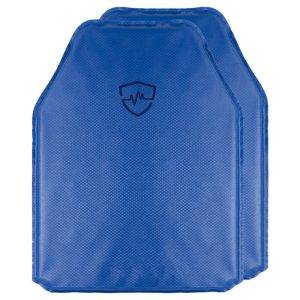
Several items in this category are protective inserts rather than simple accessories. The labels on them refer to protection levels, and it pays to understand those terms before you choose one.
In the United States, the National Institute of Justice (NIJ) publishes the body armor performance standard most buyers see referenced. NIJ Standard 0101.06 uses levels such as IIA, II and IIIA for handgun threats and III and IV for rifle threats. The newer NIJ Standard 0101.07 renames the categories: HG1 and HG2 for handgun threats and RF1, RF2 and RF3 for rifle threats. The two standards are not a simple one-to-one relabel, because the test rounds and methods changed. Our guide to body armor protection levels explained covers the differences in more detail.
- Handgun-rated panels. Labels such as IIIA or HG2 describe soft armor intended for handgun threats. They are not rated to stop rifle rounds.
- “Plus” ratings. A label such as IIIA+ is not an official NIJ level. It usually signals that the maker tested against additional threats. Read the product listing to see exactly what is claimed, and ask us if it is unclear.
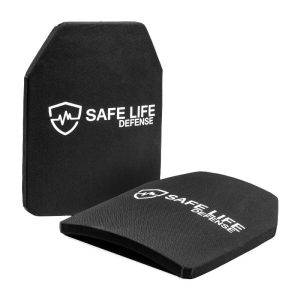
- ICW plates. ICW stands for “in conjunction with.” An ICW plate is designed to reach its rated protection only when worn together with a specified soft armor backer. Worn alone, it should not be assumed to meet that rating.
- Size matters. Plates are listed by dimensions such as 8×10, 10×12 or 11×14. Measure your carrier pocket or backpack sleeve before ordering, and choose the size that covers your vital organs without restricting movement.
- Certification is product-specific. Whether a particular item appears on the NIJ Compliant Products List depends on that exact model. Do not assume a label equals certification; check the listing and the maker’s documentation.
A backpack panel is a practical option for people who do not wear armor daily but want some protection close at hand, such as commuters, travelers or staff at a facility. It only helps if the pack is with you and the panel fits the pack’s sleeve properly, so confirm dimensions first. If you are building a full vest instead, see our soft armor vests and carriers category.
Fit, care and storage
Getting belts, pouches and armor accessories to last
Most gear failures come from poor fit, poor storage or neglect rather than from the product itself. A few habits go a long way.
- Size belts to your loaded waist. Measure where the belt will sit while you are wearing your uniform or trousers and any inner belt, not your pant size. A duty belt carrying a holster, pouches and a baton holder needs room for all of it.
- Set up the layout once, then test it. Place pouches and holders, then practice drawing, reholstering and sitting in a vehicle. Move anything that digs in or blocks access before you rely on it at work.
- Keep leather dry and clean. Leather belts such as basketweave or plain finishes last longer when wiped down after heavy sweat and stored away from direct heat. Follow any care notes supplied with the item.
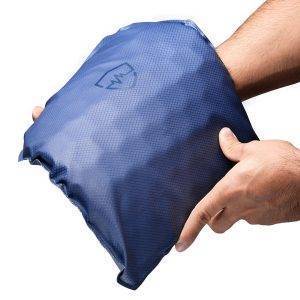
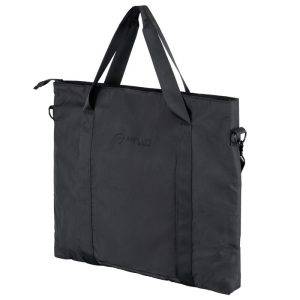
- Store armor flat and cool. Protective panels and plates should be stored flat or upright as the maker directs, not folded, crushed or left in a hot vehicle. Arizona summer heat inside a parked car is hard on many materials. A dedicated body armor bag helps protect panels in transport.
- Inspect regularly. Check stitching, hook-and-loop, snaps and panel covers. Retire any protective panel or plate that has been struck, cracked, soaked or damaged, and follow the maker’s stated service life.
Legal and practical notes
Buying responsibly, and when to bring in a professional
Owning gear does not replace training or licensing, and some items carry legal considerations. This is general information, not legal advice.
Armor laws vary
Rules on buying and possessing body armor, including plates and backpack panels, vary by state and locality. Federal law restricts possession by people convicted of certain violent felonies, and some states add their own limits. Confirm the rules where you live before ordering.
Duty gear and your role
A baton holder or duty belt is only as appropriate as your authorization to carry what goes in it. Security officers should follow their employer’s policy, their post orders and state licensing rules on what they may carry.
Training beats equipment
Gear is a small part of personal safety. If you are equipping a team, our security training programs can help people use what they carry correctly and within the law.
If what you are really trying to solve is a specific threat, such as a stalker, a hostile former employee or a high-risk trip, gear on its own is rarely the full answer. In those cases a conversation about protective services, threat assessment or on-site security is usually a better first step. You can request a confidential consultation.
Buyer FAQ
Questions about ordering gear and accessories
How do I know a pouch or holder will fit my equipment?
Check the product listing for the magazine type, tool or attachment system it is made for, and compare that to what you carry. If the listing does not answer the question, contact us before ordering rather than guessing.
Can I return an item if it does not fit?
Returns are accepted for defective items only. Please measure and confirm compatibility before you buy. Full details are in our refund policy.
How long will shipping take?
Shipping timing depends on the item and where it is going. Our shipping policy explains how orders are handled.
Does a backpack panel replace a vest?
No. A backpack panel protects only the area the pack covers, and only when the pack is positioned between you and the threat. It is a supplement for people who do not wear armor, not a replacement for a properly fitted vest.
Can I wear an ICW plate by itself?
An ICW plate is designed to meet its rating only when paired with the specified soft armor backer. Wearing it alone means you should not rely on that rating. Check the listing for the backer it is meant to pair with.