
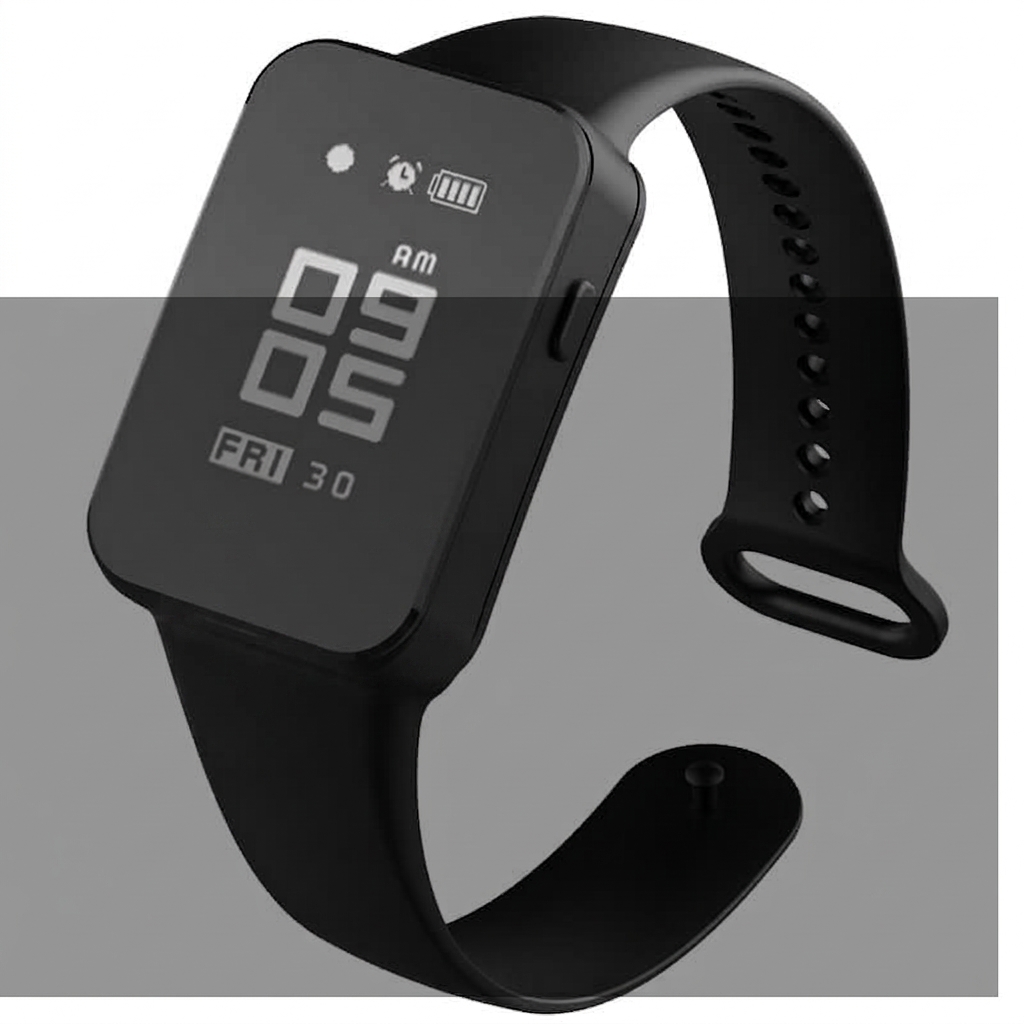
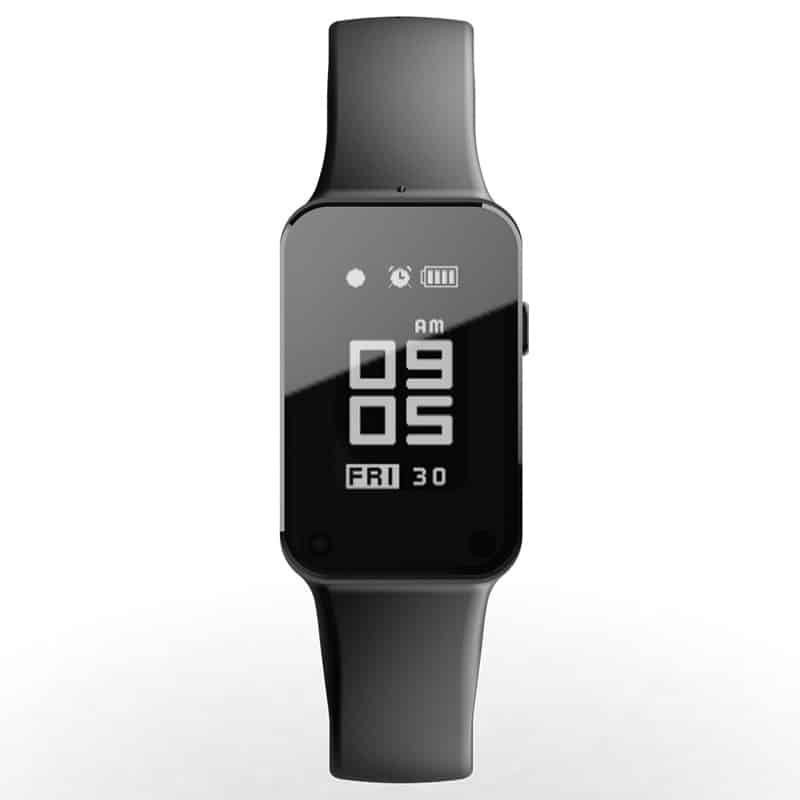
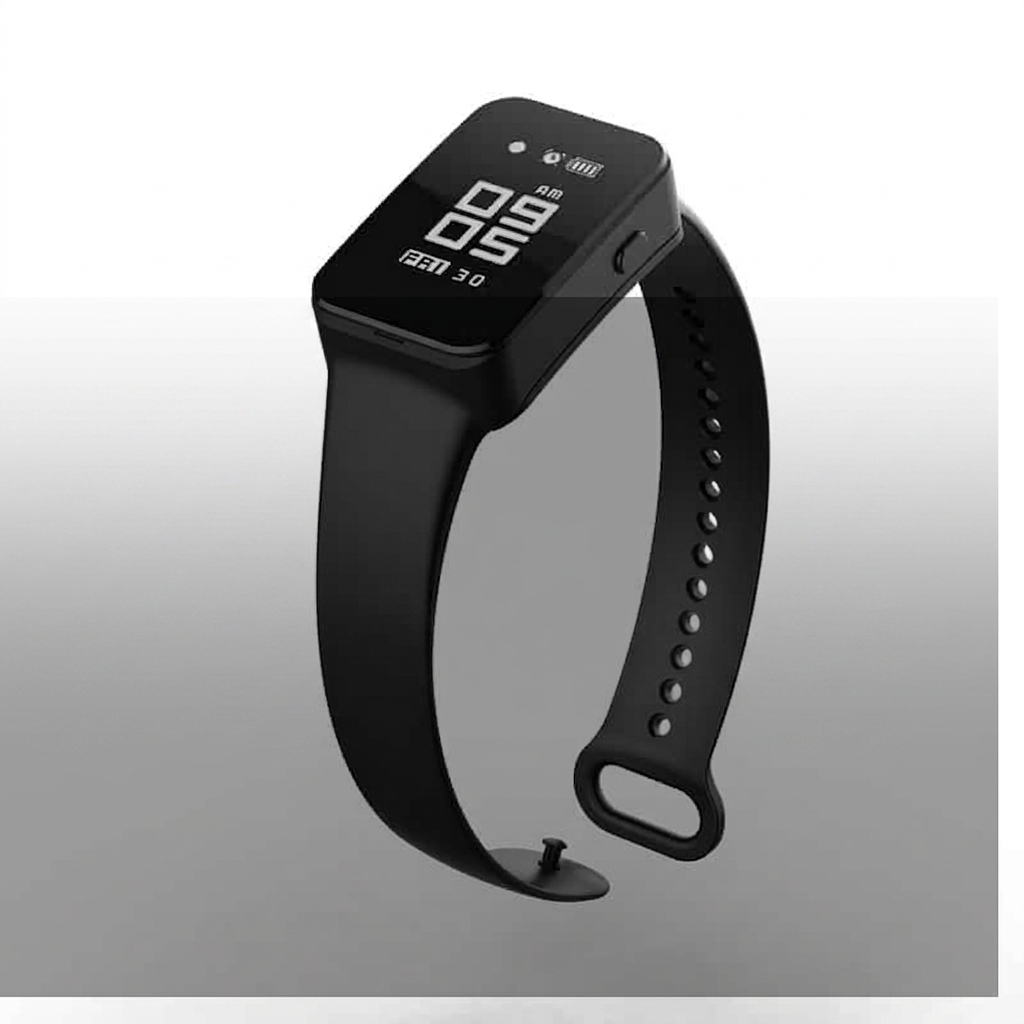
A wristwatch is the one recorder you are never asked to put away. It stays on your wrist through a meeting, an interview or a handshake, and it records in PCM — uncompressed — which is the specification that matters if the audio may ever need to be examined rather than just listened to.
- Built in 8GB of memory
- Date and Time Stamp
- One touch recording
- Scheduled recording
- Highest recorded sound quality: PCM recording mode
- Choose recorded sound quality depending on needed length of recording
- Selectable Mic Sensitivity
PCM is the reason to choose this one
Most covert recorders write compressed audio because it is smaller. Compression works by discarding information the ear is unlikely to miss — and an examiner trying to lift a quiet voice out of background noise, or to establish that a recording has not been edited, needs exactly the information compression throws away. PCM keeps all of it.
The trade is file size, which is what the selectable quality setting is for: choose PCM when the recording might matter evidentially, and a lower setting when you need hours of coverage out of the 8GB and the content is routine.
Selectable mic sensitivity, used properly
High sensitivity is for a quiet room and a speaker across a table. Low sensitivity is for a loud room, a car, or anywhere close to the microphone — because a sensitive microphone in a loud environment clips, and clipped audio is unrecoverable in a way that quiet audio is not. When in doubt, record quieter: you can lift a quiet recording, you cannot repair a distorted one.
Scheduled recording
Set it to start and stop at fixed times and the watch records without you touching it — which removes the one gesture most likely to be noticed. It also removes a failure mode: a recorder you have to remember to start is a recorder that occasionally is not running.
Set the clock against a known-correct source first. The date and time stamp is only worth having if it is right, and a stamp that is off by an hour is worse than none at all if the recording is ever examined.
Wrist-specific problems
A cuff over the microphone muffles everything. Arms crossed puts the watch against your body and records your own heartbeat and clothing rather than the room. Keep the wrist clear and resting on the table, face up, if you can do it naturally.
The legal position
Arizona is a one-party consent state under A.R.S. § 13-3005 — you may record a conversation you are a party to. California, Florida, Illinois, Pennsylvania, Washington and others require every party to consent, and a conversation crossing state lines can bring the stricter rule in. Leaving a recorder running to capture conversations you are not present for is a materially more serious matter under state and federal wiretap law, and scheduled recording makes that easy to do by accident. If the audio is meant for a legal matter, ask counsel before you record.
More voice recorders. Audio that needs authentication or enhancement is digital forensics work.
Reviews
There are no reviews yet.