
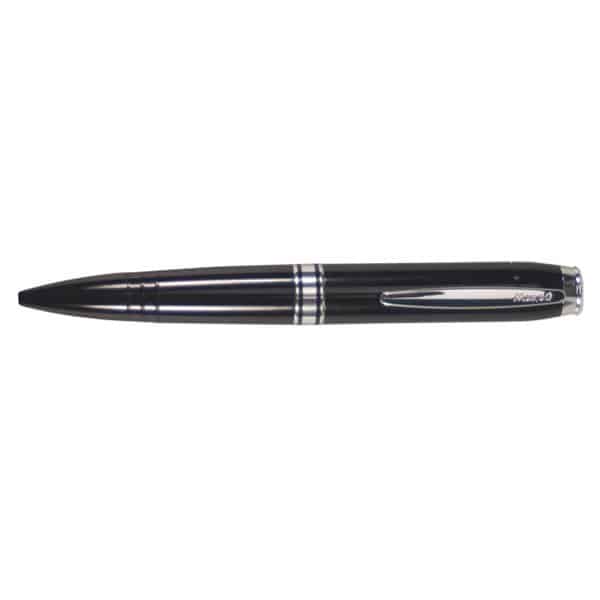
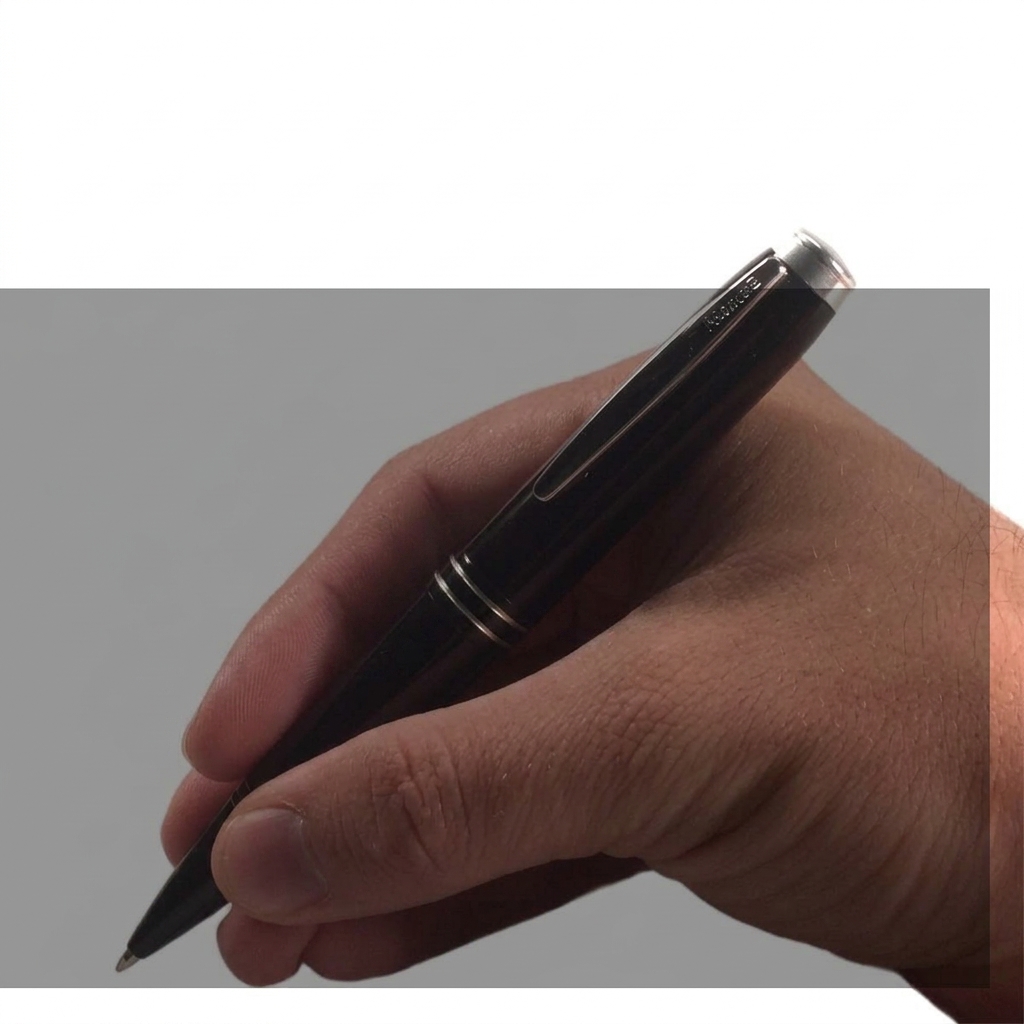
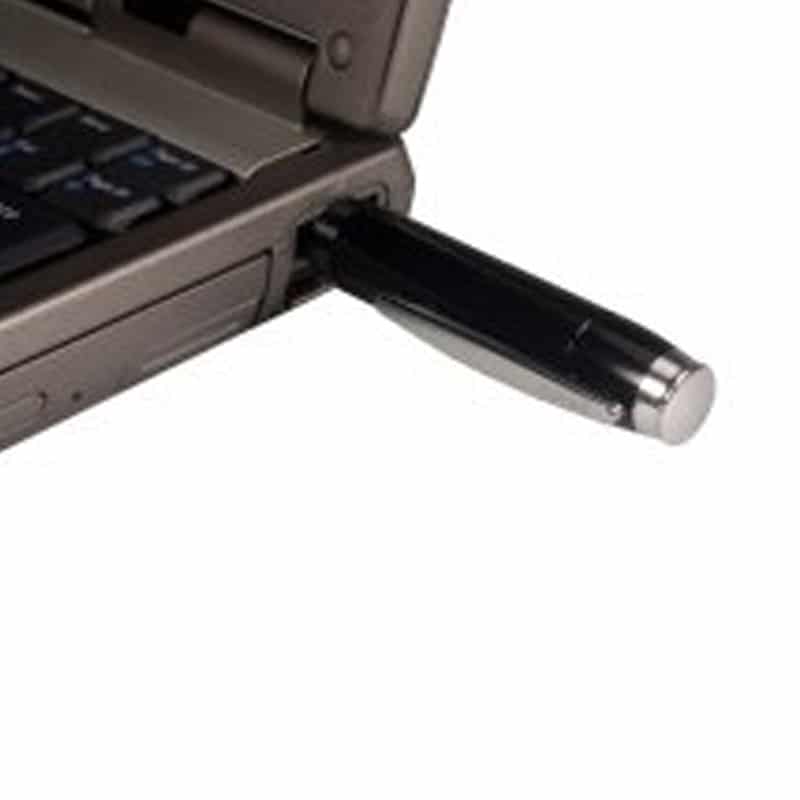
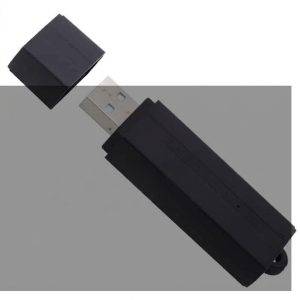
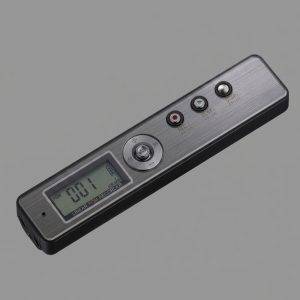
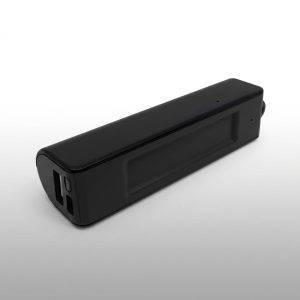
A pen recorder is the least conspicuous audio recorder there is, because a pen in a shirt pocket or on a notepad is invisible in exactly the settings where you would want one — a meeting, an interview, a consultation. This one holds 4GB, records to MP3, and stores up to 284 hours of audio.
Now with 4GB of Memory!
- Discreet construction
- Records to MP3 format for compatibility
- 4GB internal memory for up to 284 hours of audio recording
Reading the 284-hour figure correctly
That number is storage, not runtime. Memory capacity and battery life are two different specifications, and the larger one is usually the one on the box. A recorder can hold hundreds of hours and still run for a single-digit number of them on a charge, so if you need unattended operation, size the battery to the window and treat the memory as headroom.
MP3 is the right trade for this device. It is compressed, so files are small and every phone, laptop and transcription service opens them without conversion. The compression does discard information, which matters if the audio may later need to be enhanced or examined — for that, an uncompressed PCM recorder gives an examiner far more to work with. For meeting notes and interviews, MP3 is entirely appropriate.
Getting audio you can actually use
Point the pen, not yourself. Clip it with the body toward the person speaking. A recorder facing your own chest records your breathing in preference to the room.
Fabric is the enemy. Anything brushing the housing lands on the recording as a roar that buries speech. In a shirt pocket, make sure nothing moves against it; on a table, set it on something soft rather than bare laminate, which transmits every tap and shuffle.
Mind the distance. Audio falls off fast. A recorder two feet from a speaker captures conversation cleanly; at twelve feet across a conference table it captures a room. If one person matters, get close to that person.
Offload promptly. A recording that stays on the device is a recording that can be overwritten or lost with the pen.
The legal position
Arizona is a one-party consent state: under A.R.S. § 13-3005 you may record a conversation you are a party to without informing the other participants. That is Arizona’s rule and not a national one. California, Florida, Illinois, Pennsylvania, Washington and others require every party to consent, and a conversation that crosses state lines can bring the stricter rule into play.
Leaving a recorder in a room to capture conversations you will not be present for is not covered by one-party consent, and is a materially more serious matter under state and federal wiretap law. If the recording is meant to support a legal claim, an employment matter or a custody dispute, how it was obtained will be examined as closely as what it contains. Ask your attorney before you record, not after.
Related
See more voice recorders. If you are concerned that someone is recording you, that is the opposite problem — see audio counter-surveillance or book a TSCM sweep. Audio that needs authentication or enhancement is digital forensics work.
Reviews
There are no reviews yet.