Voice Recorders
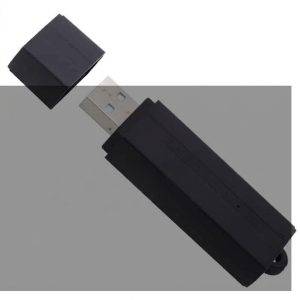
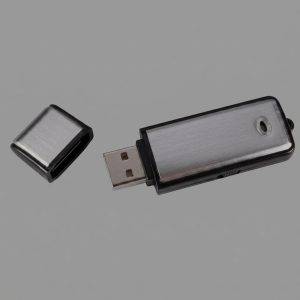
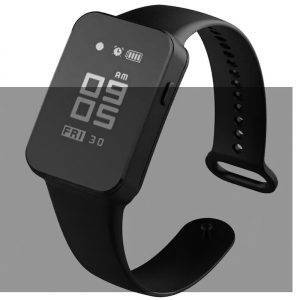
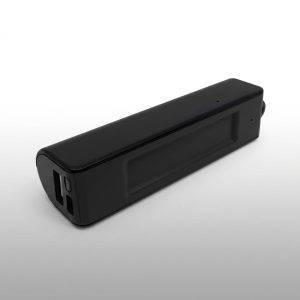
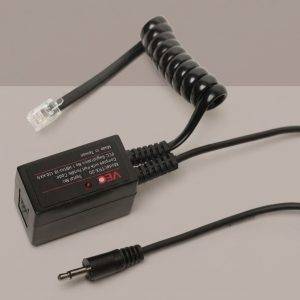
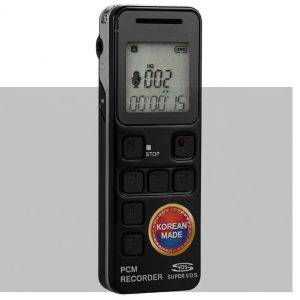
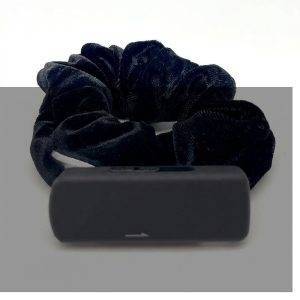
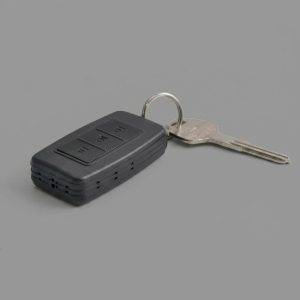
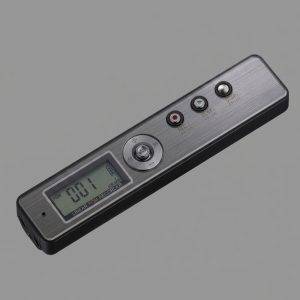
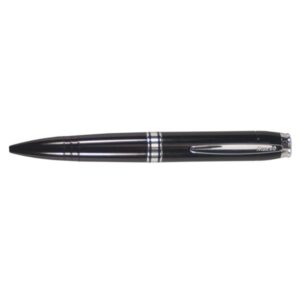
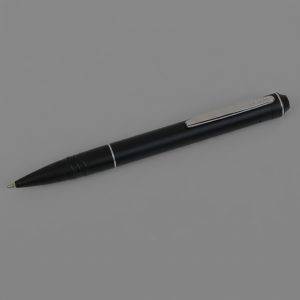
Voice recorders in this category are built for one job: capturing clear audio for hours at a time from a device that does not look like a recorder. They range from a slim pen and a key fob to an 8GB wristwatch and a 288-hour USB stick. Which one fits depends far less on the form factor than on three specs people usually skip past.
What actually separates these units
Recording time versus battery time. Storage capacity and runtime are different numbers, and the larger one is usually the one printed on the box. A unit advertised at 288 hours of recording may hold a charge for 20. If you need unattended operation, size the battery first and the memory second.
Voice activation (VOR/VOX). Activation on sound dramatically extends usable runtime in a quiet room, but it clips the first fraction of a second of speech and can miss a soft opening word. For interviews and meetings, continuous recording is the safer setting; reserve voice activation for long unattended periods where the alternative is a dead battery.
Microphone placement and file format. A recorder worn under clothing loses high frequencies, and fabric noise can bury a conversation. Devices that write uncompressed PCM give you far more to work with in post-processing than heavily compressed formats. If the audio may ever need to be examined or enhanced, format matters.
The legal position in Arizona
Arizona is a one-party consent state: under A.R.S. § 13-3005 you may record a conversation you are a party to without telling the other participants. That is the rule for Arizona only. Several states — California, Florida, Illinois, Pennsylvania, Washington and others — require every party to consent, and a call that crosses state lines can bring the stricter rule into play. Recording a conversation you are not part of is a separate and far more serious matter under both state and federal wiretap law.
Placing a recorder in a room to capture conversations you will not be present for is not covered by one-party consent. Before you do anything of the kind, talk to an attorney. If the recording is meant to support a legal claim, an employment matter or a custody dispute, the way it was obtained will be examined as closely as its contents.
When a recorder is the wrong tool
If you believe someone is recording you, a recorder does not help — see audio counter-surveillance for masking equipment, or book a TSCM sweep to find out what is actually in the room. If audio already exists and needs to be authenticated, enhanced or tied to a device, that is digital forensics work rather than a hardware purchase. Not sure which you need? Talk it through with us first — we would rather point you at the right answer than sell you the wrong box.
Showing 1–12 of 15 results