Audio Counter Surveillance
Audio counter-surveillance equipment does not find listening devices. It makes them useless. That distinction decides which product on this page is right for you, and it is worth getting straight before you spend anything.
Two different approaches
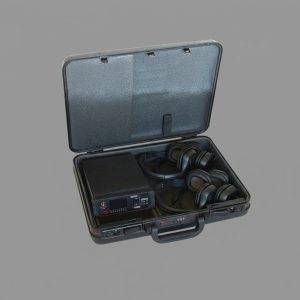
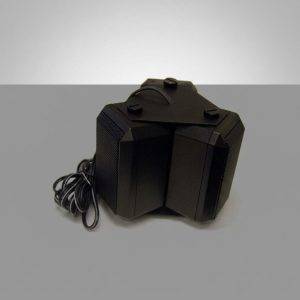
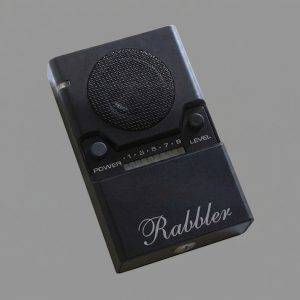
Acoustic noise generators fill a room with sound that a microphone cannot separate from speech. They protect the conversation happening right now, in that room, from any recorder present — including ones nobody has found. The Rabbler, Druid and J1000 units on this page work this way. Their weakness is that everyone in the room hears the noise too, which makes long meetings tiring.
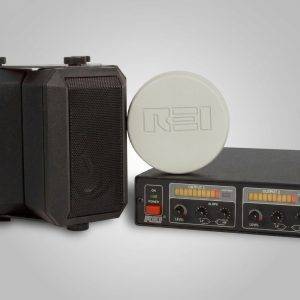
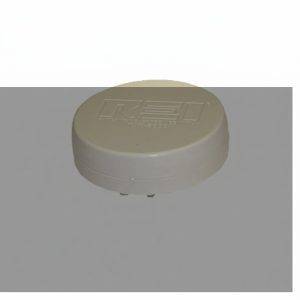
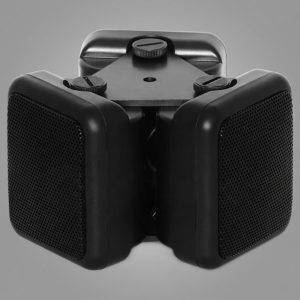
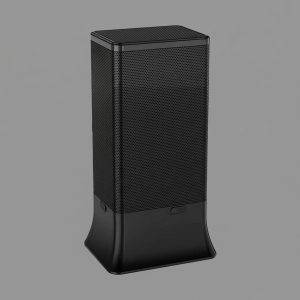
Transducer-based systems such as the ANG2200 inject vibration directly into windows, walls, doors and vents. That defeats contact microphones, laser pickup and the classic trick of listening through shared building structure, and it does so without filling the room with audible noise. Add an omnidirectional speaker when the room itself needs covering as well. This is the approach used for conference rooms and secure offices, and it is the one that scales.
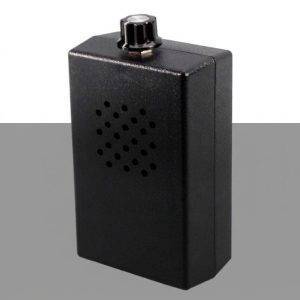
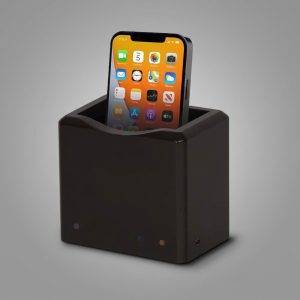
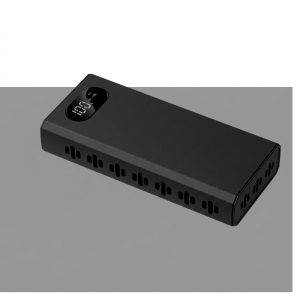
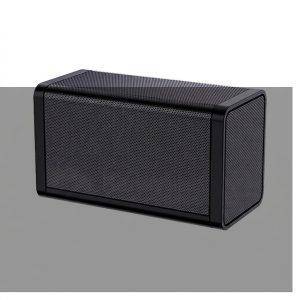
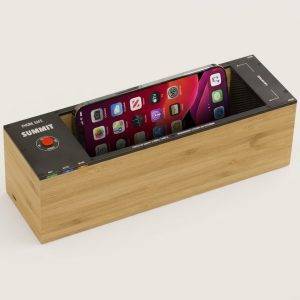
Anti-recorders — the tabletop, small-room and power-bank units here — target recording devices specifically, using ultrasonic emission to corrupt what a microphone captures. Coverage is directional and range-limited, so placement relative to where a device would plausibly sit is the whole game. A phone safe handles the simpler version of the problem: phones go in the box, the box blocks the audio.
What to buy for which situation
A single sensitive conversation in an unfamiliar room: a portable noise generator or anti-recorder. A recurring meeting in a room you control: a transducer system on the perimeter surfaces, which you set once and leave. Visitors carrying phones into a private discussion: a phone safe, which is cheaper and more reliable than trying to defeat every handset in the room.
Masking is not a substitute for a sweep
Noise generation protects the conversations you use it for. It tells you nothing about what is already installed, it does not stop a device that transmits when you are not in the room, and it does not address cameras. If you have a specific reason to believe a space is compromised, the sequence is: sweep first, remediate, then mask going forward. Our TSCM services cover the sweep side; camera and lens detection and RF and GPS detection cover what noise generators cannot. If you are unsure which end of that sequence you are at, start with a consultation.
Showing 1–12 of 13 results