Hidden Cameras
Hidden cameras exist for situations where a visible camera changes the behaviour you are trying to observe: internal theft, care in the home, and investigative work. They are also the category most often bought without checking the rules first.
The legal position, briefly. Video recording where a person has a reasonable expectation of privacy is unlawful in every state — bathrooms, changing areas, bedrooms that are not yours. Workplaces generally require a legitimate purpose and, in many cases, notice or a written policy. Audio is a separate question with stricter rules: Arizona permits recording a conversation you are part of, many states do not. Ask your attorney about your specific placement before you buy.
Choosing one that works. Three things decide whether footage is usable. Placement — the lens needs a clear line to the area at face height, not a view of the ceiling. Power — most covert placements fail because the battery died, so favour mains-powered or long-runtime devices for anything lasting more than a few hours. Trigger — motion detection saves storage but misses slow, quiet entries; continuous recording on a fresh card is safer for a short, high-stakes window.
Then handle it properly. Set the date and time before first use, copy the files off the device, keep the original untouched and record who placed it and when. If the matter may end up in front of a court, an insurer or an HR process, have the footage authenticated rather than emailed around: our forensic examiners do that, and a licensed investigator can gather it correctly in the first place.
Showing 1–12 of 82 results
-
Hidden Cameras
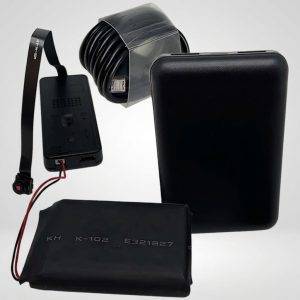
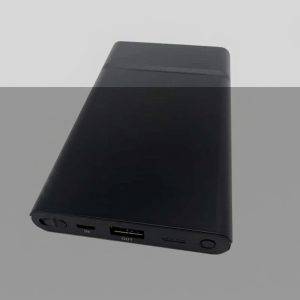
DIY Kit – Remote View WiFi Pinhole Hidden Camera + Extended Battery
$155.70 Add to cart