Temperature Cameras
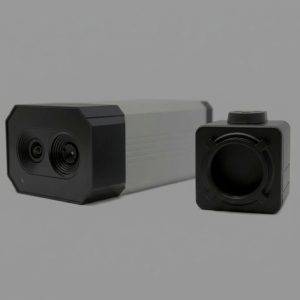
Temperature cameras detect and display heat rather than visible light, which makes them useful for two very different jobs: spotting people and animals in darkness or cover, and finding faults in equipment and building fabric before they fail.
Security use. A thermal sensor does not care about darkness, camouflage, foliage or smoke. For perimeter monitoring on acreage, ranch land or an unlit industrial yard, thermal detects presence at ranges where a conventional camera sees nothing at all. It will tell you that someone is there long before it tells you who — thermal identifies presence, not identity, so pair it with a conventional camera at the choke point.
Inspection use. Overheating electrical connections, overloaded circuits, failing bearings, blocked HVAC, missing insulation and hidden water ingress all show as temperature anomalies well before they present any other symptom. For facility managers this is preventative maintenance that pays for the camera on the first find.
Specifications that matter. Sensor resolution and thermal sensitivity set the useful detection range — a low-resolution sensor gives you a warm blob at distances where a better one gives you a recognisable human shape. Check the temperature range covers your intended use; electrical inspection needs a far wider range than perimeter security.
For acreage and perimeter design, see our guidance on securing large properties in Arizona.
Showing all 4 results