Faraday Bags
Faraday bags block cellular, GPS, Wi-Fi and Bluetooth by enclosing a device in conductive shielding. Two very different buyers use them: people protecting a device in use, and examiners preserving one as evidence.
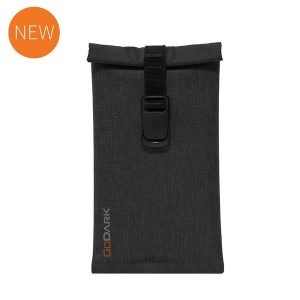
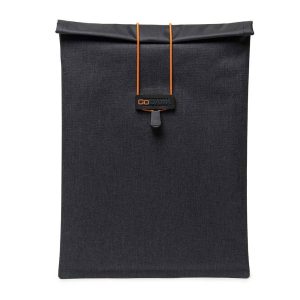
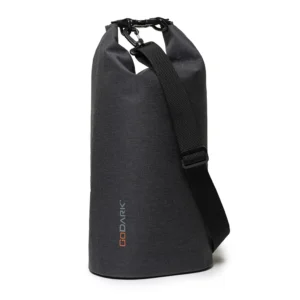
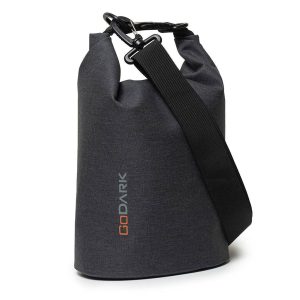
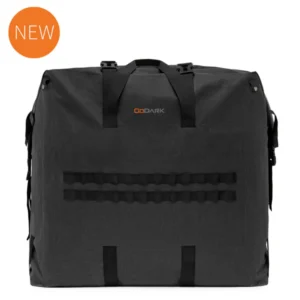
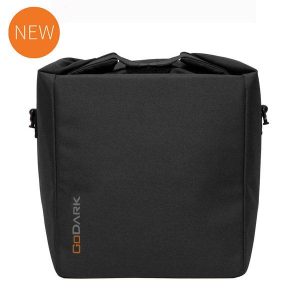
Choosing a size. Phone pouches suit a single handset or key fob. Utility sizes hold several phones, a tablet, key fobs or a recovered tracker. Duffel sizes exist for a full device seizure or a travelling kit — laptops, radios and multiple handsets at once. Buy one size larger than the device you have in mind; a bag packed to its limit does not fold and seal properly.
Sealing is the whole product. Shielding fails at the closure, not in the middle of the fabric. Roll the closure the full number of turns specified and seal it. Test it on arrival: seal a phone inside, call it from another line, confirm it does not ring, then check for missed-call notifications when you open it. Re-test periodically, because shielding wears at the fold line.
Two practical notes. A sealed phone burns battery hunting for signal, so charge before long isolation. And a bag is not a safe — it blocks radio, not theft.
For evidence work the point is integrity rather than privacy: an isolated phone cannot receive a remote wipe between seizure and examination. Hand the device to an examiner sealed and untouched — our examiners document the chain of custody from the moment it arrives.
Showing 1–12 of 17 results