
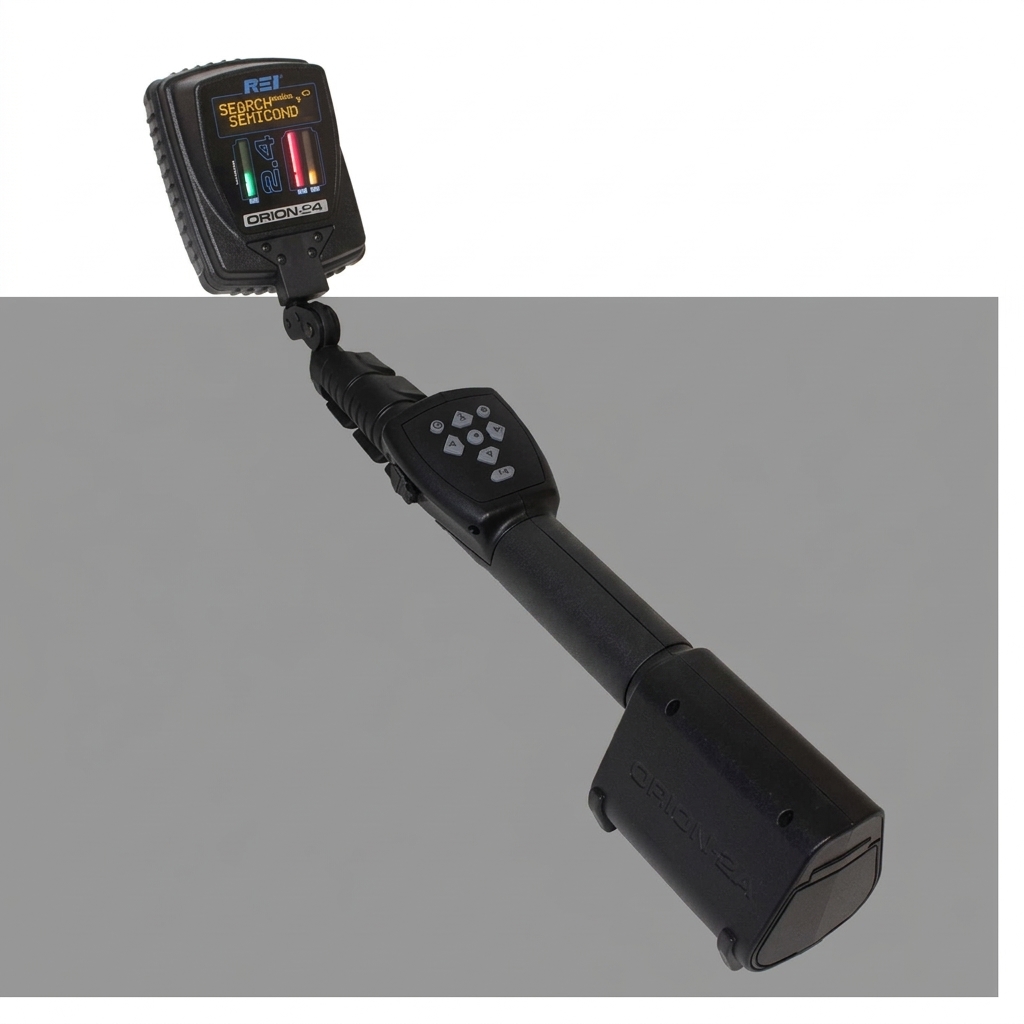
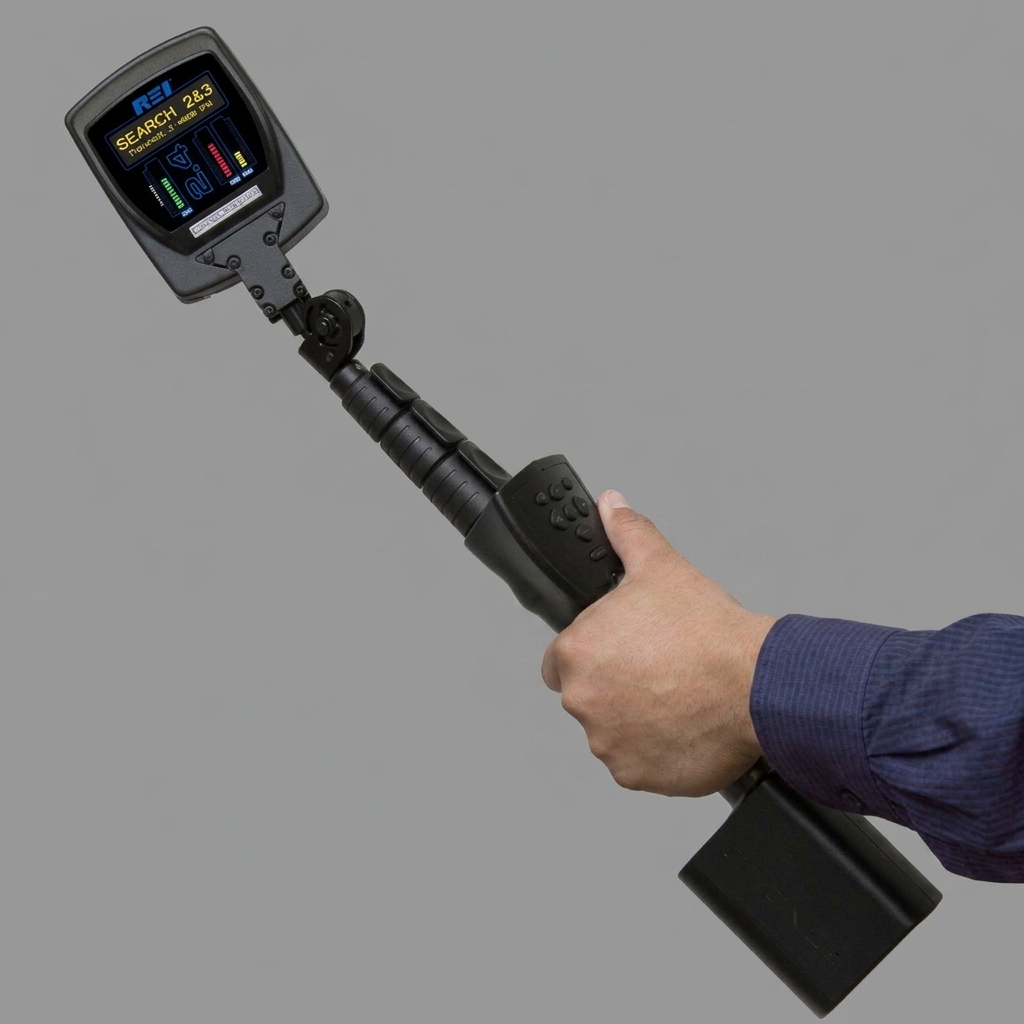
Efficiency: shorter wavelength of the 2.4 GHz model does better at detecting modern, surface-mounted circuitry in normal office environments
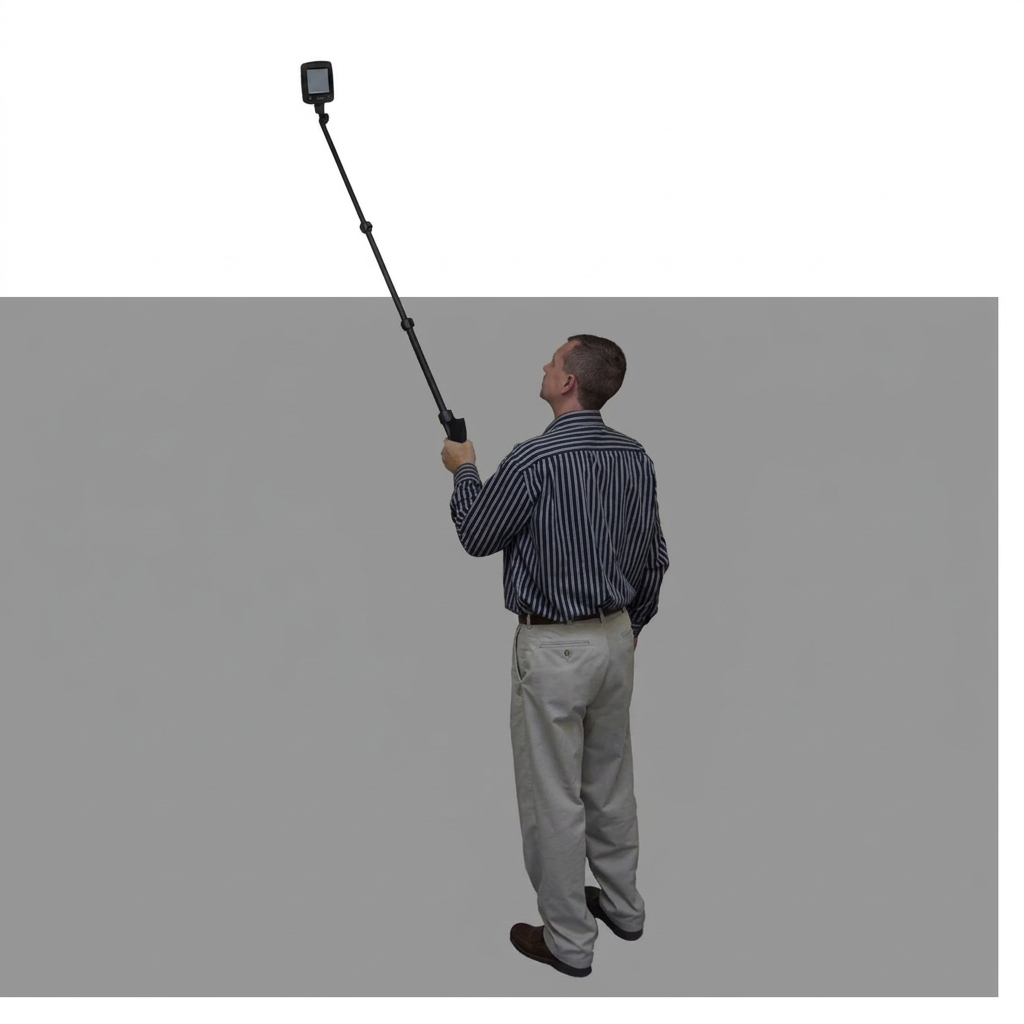
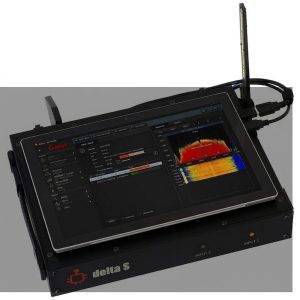
Usability: multiple alert methods are available with a line-of-sight antenna mounted display to allow users to visualize target and display simultaneously
Portability: lightweight design is under three pounds and no assembly is required with an integrated telescoping pole
Applications
- Technical Surveillance Countermeasures (TSCM)
- Counter Surveillance
- Non-Linear Junction Detection
- Locating Hidden Electronics
- Locating Electronic Contraband
- Intelligence Protection
- Executive Protection
- Eavesdropping Detection
- Surveillance Equipment Detection
- Electronic Surveillance Detection
- Digitally modulated transmit signal, correlated 2nd & 3rd harmonic response, and adjustable DSP gain provide improved detection & minimize interference (patented)
- Histogram graph displays continuous history of harmonic response and power adjustment (patented)
- Spectrum View (HX models) shows 2nd and 3rd harmonic spectrum graphs in several display options
- 1.25 MHz-wide bandwidth transmit signal increases detection sensitivity
- Alert tones and haptic (vibration) alert can be selected to alert when signal levels surpass the trip levels
- Line-of-sight antenna mounted display and LED head lamp allows user to focus eyes on sweeping target and display at same time, even in dark areas
- Small, lightweight design weighs only 2.8 lbs/1.3 kg
- No pole or cable assembly required with integrated telescoping pole
- A synthesized transceiver with frequency stability and agility to automatically search for clean operating frequencies (2.404 GHz – 2.472 GHz)
- Circularly polarized transmit and receive antenna removes the risk of missing a threat due to incorrect antenna polarization
The instrument that finds devices that are switched off
Every radio-based detection method shares one blind spot: it can only find something that is transmitting. A device that is powered down, dormant between scheduled transmissions, waiting on a motion trigger, out of battery, or hard-wired without a radio produces nothing for an RF detector or a spectrum analyzer to see. An optical finder covers camera lenses, but not audio devices, trackers or electronics with no optic.
A non-linear junction detector works on a completely different principle. It illuminates a surface with a radio signal and listens for harmonics returned by semiconductor junctions — the diodes and transistors inside any electronic device. Those junctions respond whether or not the device is powered, which is why an NLJD finds electronics concealed inside furniture, walls, fixtures, trim and equipment that no other instrument in a TSCM kit will find.
This is the tool that closes the gap between “nothing is transmitting” and “nothing is here,” and those are very different statements.
Reading the response correctly
The skill in using an NLJD is distinguishing a semiconductor from a corroded metal junction. Both return harmonics; they return them in different proportions. A genuine semiconductor typically produces a stronger second harmonic relative to the third, while a rusted joint, a loose staple against metal lath, a nail touching a pipe or corroded mesh tends to produce the opposite pattern.
This is why buildings produce so many false positives for an untrained operator. Stucco over wire lath, common in Arizona construction, is a field of metal-to-metal junctions. So are older electrical boxes, metal furniture frames, and anything held together with fasteners that have begun to corrode. Learning to read the harmonic relationship — and confirming by physically investigating the location — is the difference between a useful sweep and a day spent opening walls.
Practise on known targets before you need the instrument. Place a small electronic device inside a drawer, behind a book, under a cushion. Then sweep a corroded metal surface. The responses look different, and the difference has to be familiar rather than theoretical.
Technique
- Move slowly and keep the head at a consistent distance from the surface. Response falls off sharply with distance, and inconsistent standoff produces inconsistent readings you cannot compare.
- Work systematically in overlapping passes, the way you would paint a wall, rather than following intuition around a room.
- Prioritise by line of sight and by opportunity: the furniture around a conference table, the wall behind a desk, trim and outlets near a seating area, ceiling tiles above a meeting space.
- Confirm every response physically. An NLJD tells you electronics are present at a location; it does not tell you what they are. Open it and look.
- Note what you already know about. Smoke detectors, thermostats, motion sensors, ballasts and door hardware all contain semiconductors and will all respond.
Where it sits in a full sweep
An NLJD is one instrument in a layered method, not a replacement for the others. A complete sweep typically runs: spectrum analysis to characterise the radio environment against a baseline; optical detection for camera lenses; thermal imaging to find devices generating heat inside enclosures or behind surfaces; NLJD to find electronics regardless of power state; and a genuine physical inspection of furniture, fixtures, cavities and anything with a line of sight to what matters.
Each layer covers another’s blind spot. Skipping the NLJD is the most common gap in sweeps conducted with consumer equipment, and it is the gap that matters most in cases where the opposing party is competent enough to use a device that does not transmit continuously.
Documentation
If a sweep might ever be relied on — by a client, an employer, an insurer or a court — document it as you go. Record the date and time, the spaces covered, the equipment used, the method, the locations that responded, and what each response resolved to on physical inspection. A sweep with no record is an opinion. A sweep with a record is evidence of due diligence, and it gives the next sweep something to compare against.
If a device is found
Preserve it exactly as it sits. Fingerprints, serial numbers, memory cards and configuration identifying the reporting account are all destroyed or compromised by removal and handling. Photograph it in place from several angles with surrounding context, document the precise location, say nothing about it in the space, and advise the client to involve law enforcement and counsel before anything further is done.
Legal and operational notes
Detection is lawful. Jamming or transmitting to disrupt a signal is a federal offence regardless of intent. Sweeping premises, vehicles or devices you lack authority over can create liability — obtain and document consent from the party with authority before beginning. And be careful about scope creep: a sweep authorised for a company’s conference room does not extend to an employee’s personal vehicle in the lot.
Who buys an NLJD
This is professional equipment with a real learning curve, and it belongs in the hands of practitioners who sweep regularly: TSCM providers, corporate security teams responsible for sensitive facilities, and investigators building a complete capability. For a one-time concern about a specific room, engaging a professional sweep is faster, cheaper and more reliable than buying and learning the instrument.
Our free TSCM self-audit is a two-minute way to work out which of those two you actually need.
Reviews
There are no reviews yet.