
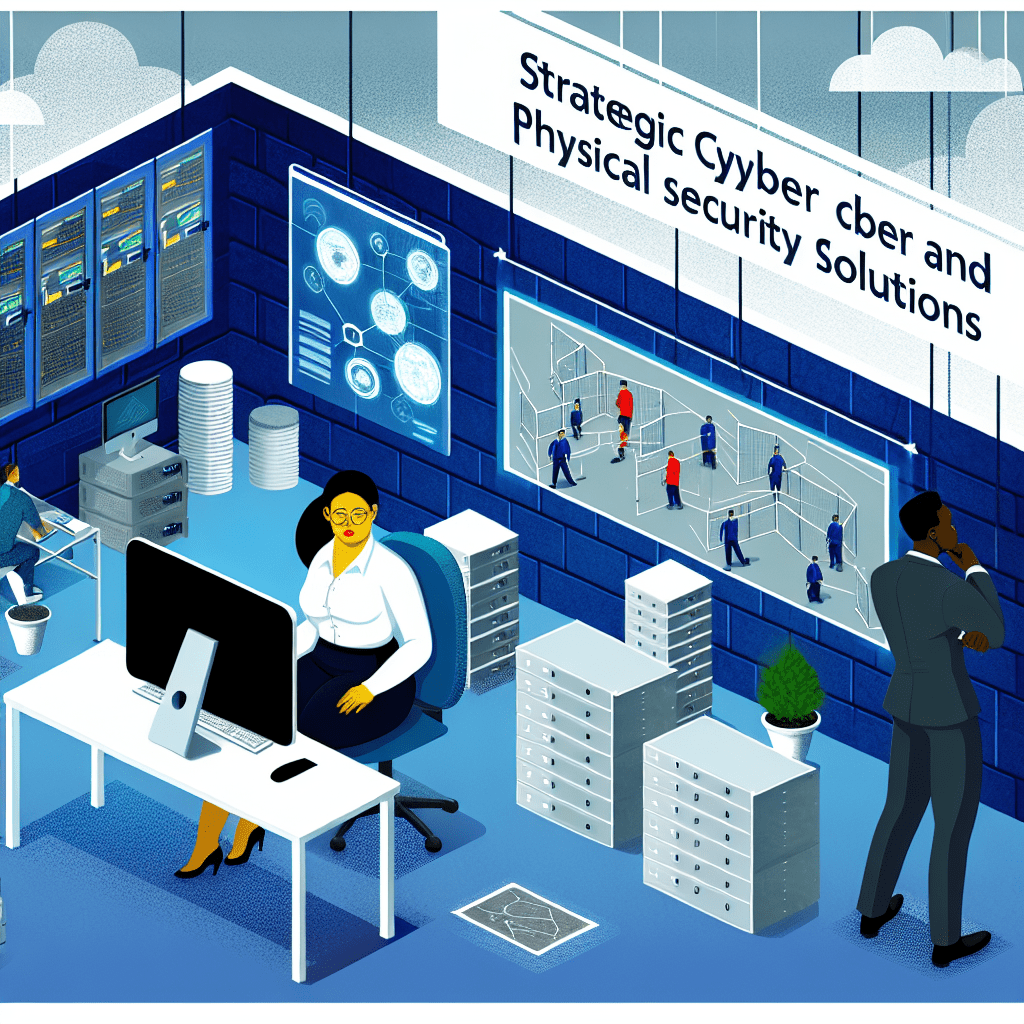
In today’s rapidly evolving world, the lines between cyber and physical security are increasingly blurred. Organizations are grappling with a complex landscape where threats can originate from virtual or tangible sources, each with potentially devastating consequences. The need for a cohesive strategy that merges both cyber and physical security measures has never been more critical. This integrated approach not only fortifies a company’s defenses against attacks but also ensures operational continuity and resilience. This article delves into the importance of unifying these traditionally separate domains, exploring how they can work in concert to address the multifaceted challenges faced by modern enterprises.
Understanding the Landscape
When discussing security, many times, cyber and physical security are treated as separate entities, but the lines are becoming increasingly blurred. Cybersecurity focuses on safeguarding digital assets, like information systems and data, against unauthorized access or attacks. Physical security, on the other hand, deals with protecting people, property, and other physical assets from harm such as theft, vandalism, or other physical threats.
Historically, these domains were managed independently. Cybersecurity found its roots in the need to secure emerging computer systems in the late 20th century, evolving rapidly alongside technological advances. Meanwhile, physical security has been a concern for centuries, adapting from simple locks and guards to sophisticated surveillance systems.
Technological advancements, particularly the rise of the Internet of Things (IoT) and interconnected devices, have made it imperative to integrate these two realms. Today, access control systems might be digital, and surveillance footage is often stored and analyzed in the cloud, creating a bridge between cyber and physical security measures. Understanding this ever-evolving landscape is key to building a comprehensive security strategy that addresses vulnerabilities effectively.
The Importance of a Holistic Security Strategy
Security isn’t just about walls and passwords anymore. Cyber threats and physical security are tightly interwoven, affecting each other in unexpected ways. A breach in data can lead to tangible threats, while a physical incident can compromise digital assets. Look at high-profile cases where hacking led to physical damage or where physical breaches exposed critical data. These examples underscore the need for a unified approach.
The shift towards integrated solutions isn’t a trend—it’s a necessity. Adopting a holistic security strategy ensures comprehensive protection. This convergence aligns resources and enhances response capabilities, making organizations more resilient against both cyber and physical threats. Future threats will know no boundaries, and neither should our defenses. A unified approach is crucial to stay ahead.
Core Elements of Integrated Security Solutions
Threat Assessment and Risk Management
Navigating the terrain of potential dangers involves a dual focus on cyber and physical threats. By identifying these vulnerabilities early, organizations can build a robust risk management plan. This means knowing what might hit you and preparing to tackle it on both fronts.
Advanced Surveillance and Monitoring Systems
Gone are the days when security cameras worked in isolation. Modern systems combine video feeds with cybersecurity tools, offering a comprehensive view of security incidents. Integrating video analytics with security operations can enhance detection capabilities and response times.
Access Control and Identity Management
Access control isn’t just about locking the doors. It’s about ensuring only the right people get into both physical spaces and digital realms. Robust systems, paired with thorough identity verification processes, form the backbone of an effective security strategy, safeguarding against unauthorized access at every turn.
Technology Trends Shaping Security Solutions
In the realm of security, technology is both a relentless foe and an indispensable ally. The Internet of Things (IoT) has emerged as a key player, transforming traditional environments into smart spaces by creating networks of interconnected devices. This connectivity enhances real-time monitoring and rapid response capabilities, but also calls for heightened vigilance against potential breaches.
Artificial Intelligence (AI) and machine learning are revolutionizing threat detection and response by sifting through vast amounts of data to identify patterns and anomalies. These technologies enable proactive measures, reducing the time from detection to action. The ability to predict and thwart potential threats before they manifest is becoming a cornerstone of modern security practices.
Blockchain technology is carving its niche as a robust method for safeguarding data integrity. By providing a decentralized and tamper-evident ledger, blockchain enhances transparency and trust. This technology ensures that security protocols are not only enforced but also verifiable, offering a reliable foundation in the ongoing battle against cyber threats.
Together, these technological trends shape a dynamic landscape that demands adaptability and foresight in developing integrated security solutions. As threats continue to evolve, so too must our strategies and tools, leveraging these innovations to not only secure but to stay ahead.
Best Practices for Implementing Integrated Security Solutions
Implementing an integrated security framework involves taking proactive and vigilant action steps. Here are some best practices to consider:
Regular Security Audits and Assessments
- Identify Vulnerabilities: Regular audits help discover potential weaknesses in security systems.
- Evaluate Effectiveness: Assessments provide insights into how well current security measures work.
- Implement Adjustments: Make necessary changes to address any identified vulnerabilities.
Continuous Employee Training and Awareness
- Threat Recognition: Train employees to recognize potential security threats.
- Protocol Understanding: Ensure that everyone knows the correct procedures to follow during security events.
- Culture of Vigilance: Promote an environment where vigilance and preparedness are prioritized.
Regulatory Compliance
- Understand Legal Requirements: Stay informed about the legal aspects of both digital and physical security.
- Mitigate Risks: Compliance helps protect the organization from legal repercussions.
- Strengthen Defense Posture: By following regulations, the overall security framework is fortified against threats.
By following these best practices, organizations can work towards building a robust integrated security solution that safeguards their operations and assets effectively.
Case Studies: Successful Integration of Cyber and Physical Security
In the ever-evolving security landscape, real-world examples highlight the effectiveness of integrating cyber and physical security measures. Consider a manufacturing facility that incorporated advanced monitoring systems to shield its operations. By merging network security tools with on-site surveillance, the facility not only detected anomalies in real-time but also prevented unauthorized access swiftly. Similarly, a financial institution fortified its defense by combining strong encryption methods with physical access controls, enhancing security across all touchpoints. Lastly, a public infrastructure organization leveraged interconnected systems to monitor and protect its vast assets, showcasing the value of united security solutions.
Challenges and Barriers to Integration
Merging cyber and physical security strategies isn’t without its difficulties. One major hurdle is the inherent resistance to change within organizations. Silos formed over decades can lead to a reluctance to adapt or merge departments, hindering cohesive integration. Budget constraints also play a significant role, as financial resources might be limited, making it challenging to invest in the necessary technology and training to support a unified security strategy. Additionally, reallocating resources and prioritizing this integration can lead to internal conflicts and inefficiencies. Lastly, technical challenges such as ensuring compatibility between disparate systems can complicate the integration process. Overcoming these barriers requires a clear vision, strong leadership, and an ongoing commitment to innovation and collaboration.
Future Prospects and Innovations
The security landscape is continually evolving, and emerging technologies will play a significant role in shaping future solutions. Quantum computing is edging closer to practical application, and its potential to disrupt current encryption standards cannot be ignored. Organizations must prepare for a post-quantum security landscape by exploring quantum-resistant algorithms.
Augmented reality (AR) could transform security operations, offering real-time overlay of digital information on physical security environments. This technology allows security personnel to access vital data and insights without diverting their attention away from their surroundings.
Moreover, the integration of 5G technology promises faster and more reliable communication between devices, enhancing the effectiveness of smart security systems. This connectivity will be crucial for the seamless operation of integrated security measures across vast facilities and locations.
Looking forward, the drive towards greener technology will influence security strategies as organizations balance security needs with environmental considerations. Energy-efficient solutions and devices that operate sustainably are likely to become a priority.
Finally, global events and policy changes will remain pivotal to shaping security strategies. Continued geopolitical tensions and regulations regarding data privacy and protection will necessitate adaptable security systems that can quickly respond to new threats and compliance requirements.
In summary, the future of security solutions lies in embracing innovative technologies and adapting to rapidly changing global scenarios. Organizations poised to explore these trends will secure a more resilient standing against the complex threats of tomorrow.
In conclusion, merging cyber and physical security into a unified strategy is no longer optional. We’ve explored how integrated security solutions offer a holistic defense against potential threats, illustrated through relevant case studies and driven by the latest technology trends. As digital and physical realms continue to intersect, organizations must adapt by implementing cohesive security strategies. It’s essential for businesses to assess their current measures and enhance them to shield against vulnerabilities. The ultimate goal? Ensure resilience in the face of a complex threat landscape.
Call to Action
We’re curious to hear your thoughts. How does your organization handle the integration of cyber and physical security?
- Share Your Experiences: Share your experiences or challenges in the comments below.
- Explore Further: If you’re looking to dive deeper, check out our recommended resources for more insights into cutting-edge security solutions.
- Get Professional Guidance: For tailored advice and professional guidance, our team is here to help.
Reach out via our contact page to explore how we can support your security needs.