
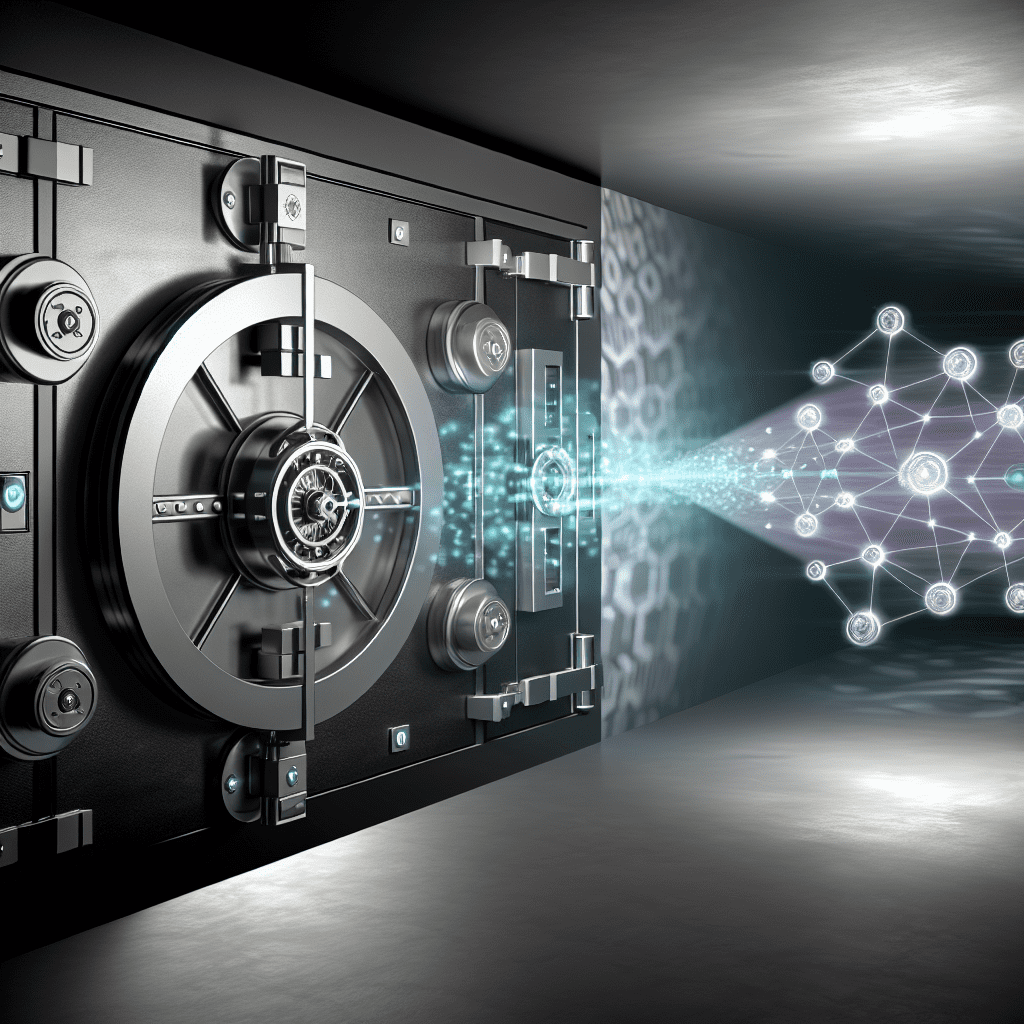
Security is no longer just a locked door or a strong password; it’s an intricate dance between the cyber and physical worlds. In today’s landscape, both are under constant threat, and the stakes have never been higher. As technology permeates every aspect of our lives, the line between cyber and physical security blurs. Organizations and individuals must embrace a strategic approach that merges these once-separate realms. The answer lies not just in deploying measures, but in integrating them. By doing so, one can anticipate threats, respond more effectively, and mitigate risks—ultimately securing not just data, but people and assets too.
Understanding Cybersecurity Challenges
The cyber world is increasingly hostile. Cybercrime is not just on the rise; it’s evolving with new levels of complexity that organizations struggle to combat. Mobile devices and IoT gadgets widen the attack surface, providing easy entry points for malicious actors. The shift to remote work has further complicated the scene, presenting unique security hurdles like unprotected home networks and personal devices. Understanding these dynamics is crucial to build effective defenses.
Phishing remains a favorite technique; it’s simple yet alarmingly effective. Ransomware attacks, meanwhile, become more cunning, often shutting down entire operations until a ransom is paid. Zero-day vulnerabilities add another layer of risk, targeting unpatched software before solutions are available. Distributed Denial of Service (DDoS) attacks disrupt services, while insider threats remind us that sometimes, the danger is within. Recognizing these patterns is the first step towards stronger cybersecurity.
Physical Security Challenges
Physical security threats are varied and, like cyber threats, they require strategic solutions to mitigate risks effectively. Unauthorized access and intrusions remain a primary concern, as they can lead to data breaches and compromise sensitive areas. Vandalism and theft pose risks to both assets and overall operational integrity. Meanwhile, natural disasters, though not caused by malicious intent, can wreak havoc on physical infrastructure, highlighting the need for robust disaster preparedness. Workplace violence is another pressing concern that necessitates comprehensive security measures.
Weak points in physical security often stem from a lack in fundamental protections. Many facilities suffer from inadequate surveillance, relying on outdated or insufficient monitoring systems. Poor access control measures, such as easily duplicated keys or unsecured entry points, present vulnerabilities that can be exploited. Furthermore, having insufficient emergency response plans or failing to train personnel adequately can leave organizations unprepared for swift and effective action in crisis situations. Addressing these areas with diligence and foresight is crucial to maintaining a secure physical environment.
## The Intersection of Cyber and Physical Security

In today's interconnected world, the lines between cyber and physical security are increasingly blurred. As digital transformation accelerates, cyber threats can now have tangible physical impacts. This convergence requires us to rethink traditional security paradigms.

### Notable Incidents

Consider the following incidents that highlight the intersection of cyber and physical security:

- **Stuxnet Worm:**
  - Caused physical damage to nuclear centrifuges.

- **IoT Device Exploits:**
  - Hackers exploiting IoT devices to unlock doors or disable alarm systems.

These examples underscore the necessity for a cohesive security strategy that seamlessly integrates cyber and physical elements.

### Advantages of an Integrated Approach

Adopting an integrated approach brings several advantages:

- **Enhanced Situational Awareness:**
  - By pooling data from both realms, organizations can achieve more precise threat detection and analysis.

- **Bolstered Incident Response:**
  - Offers a more unified and effective reaction to threats.

- **Holistic Risk Management:**
  - Enables addressing vulnerabilities across the board rather than in isolation.

By adopting such a comprehensive strategy, organizations can better safeguard assets against the complex and varied landscape of modern threats.
Strategic Security Solutions
Crafting a robust security strategy requires more than just understanding potential threats—it demands proactive measures across both cyber and physical domains.
Cybersecurity Measures
To effectively protect against cyber threats, organizations should focus on the following key areas:
-
Robust Defenses:
- Implement strong firewalls and intrusion detection systems to prevent unauthorized entry.
- Conduct regular vulnerability assessments and penetration testing to identify weak spots.
-
Real-Time Monitoring:
- Utilize Security Information and Event Management (SIEM) solutions for insight into network activities.
- Detect anomalies with real-time surveillance.
-
Data Protection:
- Implement multi-factor authentication and encryption to protect data integrity.
- Ensure intercepted data remains unreadable with these measures.
-
Employee Training:
- Foster a workforce informed about potential threats.
- Conduct regular awareness programs to strengthen the first line of defense.
Physical Security Measures
For physical security, the aim is to construct an impregnable fortress through the following strategies:
-
Advanced Surveillance Systems:
- Employ real-time monitoring for vigilant oversight of facilities.
-
Access Control:
- Integrate biometrics to ensure only authorized individuals gain entry.
-
Disaster Preparedness:
- Develop comprehensive disaster recovery and business continuity plans.
- Minimize operational disruptions during calamities.
-
Perimeter Security:
- Strengthen security with physical barriers and upgraded locks.
- Keep unwanted elements out effectively.
-
Regular Reviews:
- Conduct regular security audits and upgrades.
- Evolve defenses with emerging threats to maintain an uncompromised security posture.
Technology’s Role in Enhancing Security
In today’s rapidly evolving landscape, technology is a cornerstone in the enhancement of security measures across both cyber and physical domains. Artificial Intelligence (AI) and Machine Learning (ML) stand at the forefront, offering advanced threat detection capabilities. These technologies can analyze vast data sets, identify anomalies, and predict potential threats with remarkable accuracy, leading to quicker and more effective responses.
Cloud security solutions have become indispensable, providing scalable protection and ensuring rapid updates and patch deployments across organizations. The rise of blockchain technology offers a robust framework for secure transactions, ensuring data integrity and reducing the risk of unauthorized access through its decentralized and immutable nature.
The Internet of Things (IoT) presents unique challenges and opportunities in security. Implementing IoT-specific security measures is crucial to protect interconnected devices from potential breaches that could ripple into both cyber and physical arenas.
Augmented reality (AR) is emerging as a valuable tool for security simulations and training, offering immersive environments that enhance preparedness and response strategies.
Together, these innovative technologies not only reinforce existing security protocols but also pave the way for a more resilient and adaptive security infrastructure.
Case Studies
Successful Implementation Examples
In the fast-paced world of security, some organizations stand out for their innovative approaches. These entities have successfully integrated cyber and physical security to forge a robust defense posture. For instance, a leading tech firm’s implementation of a unified Security Operations Center (SOC) fuses digital and physical incident monitoring, drastically reducing response times. Meanwhile, in the realm of public safety, a smart city project harnesses IoT devices for real-time surveillance, enhancing urban security infrastructure. Additionally, a critical infrastructure operator has utilized AI-driven analytics to detect atypical activity, protecting vital assets around the clock. These cases exemplify strategic foresight and technological acumen, setting benchmarks for future implementation.
Best Practices for Strategic Security
Building a robust security framework requires collaboration across different disciplines. A cross-disciplinary security team is essential, integrating experts from IT, operations, and physical security to address vulnerabilities comprehensively. Continuous monitoring and improvement are non-negotiables; systems need regular updates and patches to fend off emerging threats. Fostering a culture of security within the organization ensures everyone plays a part, enhancing vigilance and response readiness. An actionable incident response plan is crucial—conducting regular drills prepares teams for swift action when threats materialize.
The Importance of Security in Today’s World
In today’s interconnected world, a strategic approach to both cyber and physical security is more critical than ever. The convergence of digital and physical threats demands that organizations transcend traditional silos, embracing integrated solutions that offer a cohesive defense.
Integrated Solutions for Security
- Convergence of Threats: Digital and physical threats are increasingly intertwined, requiring a unified defensive strategy.
- Transcending Silos: Organizations must break down traditional barriers to tackle these multifaceted challenges.
- Cohesive Defense: Integrated solutions offer a more robust approach to safeguarding assets.
Evolving Strategies for Modern Challenges
As security challenges continue to evolve, so too must our strategies. Adapting to new vulnerabilities involves:
- Innovative Technologies: Utilizing the latest advancements to stay ahead of potential threats.
- Holistic Risk Management: Approaching security with a comprehensive understanding of risks across domains.
The Future of Security
The future of security lies in:
- Proactive Measures: Anticipating and preventing threats before they materialize.
- Continuous Advancements: Keeping pace with rapid technological changes to improve security protocols.
- Synergy of Cyber and Physical Domains: Leveraging the strengths of both areas to create a resilient defense.
By focusing on these aspects, organizations can empower themselves to protect their assets effectively and resiliently.