
Introduction
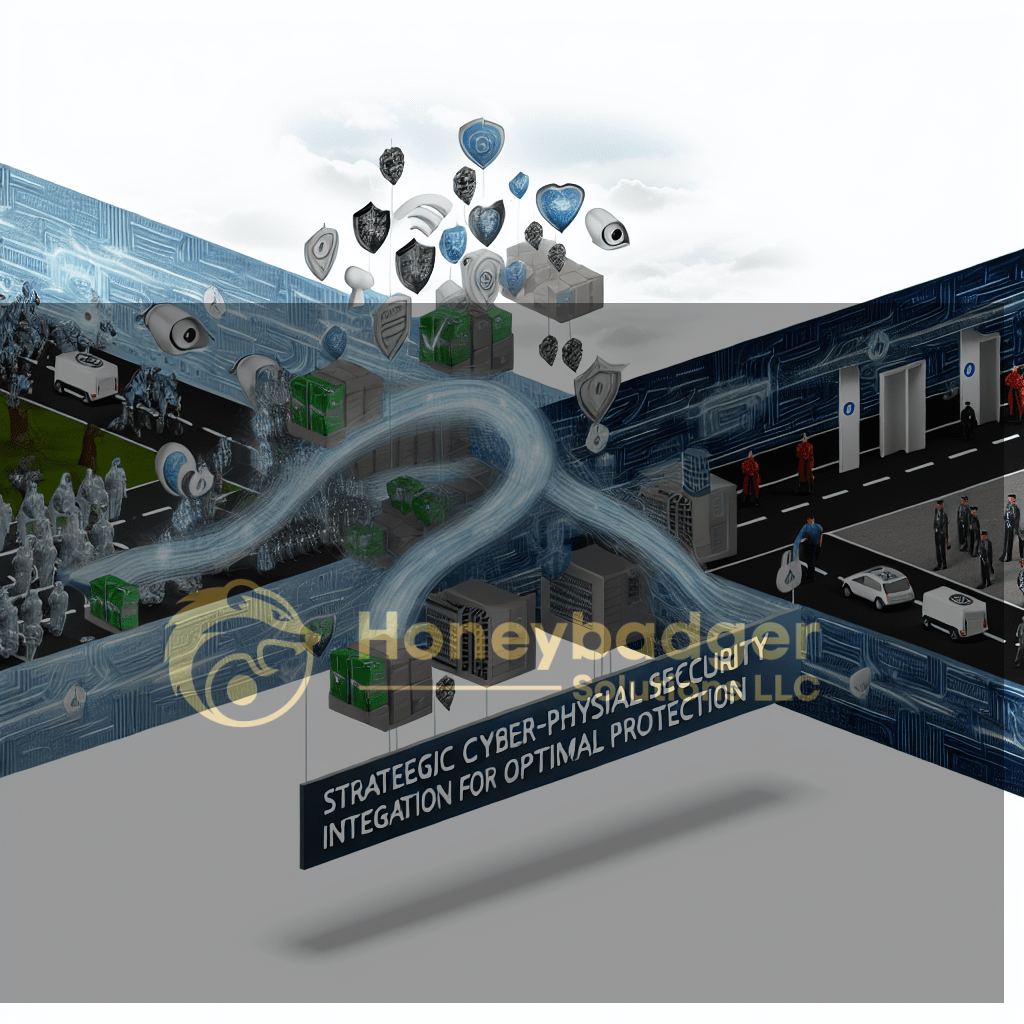
Cyber-physical security represents the blend of cybersecurity measures with physical security protocols, aiming to guard interconnected systems that span both digital and tangible realms.
Key Challenges
- Blurring Lines: In an era where the line between virtual and physical operations blurs, the stakes are high.
- Sophisticated Threats: Organizations face contemporary security challenges, such as:
- Increasingly sophisticated cyber threats
- Advanced physical intrusion tactics
Necessity for Integration
- Complex Modern Infrastructure: The complexity of modern infrastructure necessitates integrated approaches for comprehensive protection.
- Vulnerabilities: Without integration, the disparate handling of cyber and physical elements leaves stark vulnerabilities that malicious actors can exploit.
Strategic Importance
To develop resilient security strategies that safeguard critical infrastructures and bolster overall system integrity, understanding the intertwined nature of these threats is crucial.
Understanding Cyber-Physical Security
Definition and Scope
Cyber-physical systems (CPS) blend computational elements with physical processes. These systems interact with the real world via sensors and actuators. Cybersecurity ensures the integrity, confidentiality, and availability of these systems, while physical security protects the tangible assets involved. Together, they form the backbone of critical infrastructures, requiring robust defense mechanisms to prevent sabotage or unauthorized access.
Importance in Modern Systems
As IT and Operational Technology (OT) become more interconnected, the lines between cyber and physical domains blur. This integration increases operational efficiency but also amplifies vulnerabilities. Without a unified security approach, systems are exposed to multi-faceted threats that can disrupt operations or cause physical harm.
Examples of Cyber-Physical Systems
Consider industrial control systems managing automated factory operations, smart grids optimizing energy distribution, and autonomous vehicles navigating roads. Each exemplifies a CPS dependent on harmonized cyber-physical security to operate safely and reliably. These systems not only optimize functionality but also demonstrate the intricate dependency on integrated safety protocols.
Current Security Landscape
When examining the state of cyber-physical security, a few prevailing threats stand out. Cyberattacks like phishing schemes, ransomware assaults, and Distributed Denial of Service (DDoS) attacks continue to wreak havoc on organizations. Meanwhile, physical threats such as unauthorized facility access and direct sabotage of critical infrastructure remain persistent challenges.
In terms of cyber-physical integration, obstacles abound. There’s a notable lack of collaboration between IT and physical security teams, often operating in silos. This disjointed approach limits the effectiveness of security measures. Additionally, there is a widespread lack of awareness and understanding of how these domains intersect, exacerbating vulnerabilities.
The consequences of failing to integrate these security arenas are profound, as illustrated by notable breaches. The infamous Stuxnet worm, for example, demonstrated how cyber threats can physically disrupt critical systems, while a breach at Target showed the repercussions of inadequate data protection. These events highlight the urgent need for cohesive, integrated security strategies across cyber and physical domains.
Strategic Integration of Cyber and Physical Security
Building a Unified Security Framework:
To effectively integrate cyber and physical security, organizations must embark on crafting a unified security framework that orchestrates both elements seamlessly. This involves establishing clear policies and procedures that foster collaboration between traditionally siloed security domains. Policies should prioritize cross-departmental communication and enable a cohesive approach to threat detection and response. At the heart of this framework lies a strategic vision that aligns cybersecurity and physical security objectives with the broader organizational goals.
Technology and Tools for Integration:
Harnessing the right technology is key to bridging cyber and physical security. Tools like Security Information and Event Management (SIEM) systems play a critical role by aggregating data from both cyber and physical sources, offering a unified view of security events. Similarly, integrating Physical Access Control Systems (PACS) with IT infrastructure ensures that physical breaches trigger appropriate cyber responses. Incorporating IoT security solutions further extends this integrated approach, safeguarding interconnected devices across the ecosystem.
Organizational Structure and Collaboration:
Achieving strategic integration requires an organizational shift toward unified structures. Aligning IT and OT security teams within a single organizational unit can break down silos, enabling a fluid exchange of information and expertise. Security should be embedded within the fabric of business continuity planning, ensuring preparedness across every function. Moreover, cross-disciplinary training initiatives cultivate a culture of collaboration, ensuring that all employees, regardless of their primary focus, contribute to a unified security effort.
Implementing an Integrated Security Strategy
Assessment and Evaluation
- Thorough Assessment: Begin by conducting comprehensive risk assessments and security audits.
- Identify Key Assets: Determine critical assets and potential attack vectors.
- Risk Understanding: Grasping these risks is essential for designing effective defenses.
Design and Deployment
- Layered Defense Strategy: Develop a strategy that incorporates multiple layers of security.
- Adaptive Security Measures: Deploy measures that can react to evolving threats seamlessly.
- Holistic Plan: Ensure that potential vulnerabilities are addressed by leveraging technology and human resources.
Monitoring and Maintenance
- Continuous Monitoring: Regularly monitor systems to ensure security is unwavering.
- Advanced Analytics: Utilize advanced analytics for enhanced threat detection.
- Update and Patch Management: Keep systems resilient with regular updates.
- Incident Response and Recovery:
- Prepare with a robust incident response plan.
- Be ready to act swiftly in case of a breach to minimize damage and reduce recovery time.
Benefits of Integrated Cyber-Physical Security
Integrating cyber and physical security enhances situational awareness and threat detection capabilities. By combining insights from both realms, organizations can catch threats quicker, minimizing potential damage. This integration also boosts response times, allowing for swift action to neutralize incidents before they escalate. As a result, businesses experience increased resilience, reducing downtime during a security event. Additionally, this unified approach leads to cost-efficient operations. By streamlining resources and processes, organizations can avoid duplicated efforts and focus on comprehensive protection strategies that are both economical and effective. This means leveraging fewer resources to achieve broader security objectives, ultimately enhancing operational productivity.
Challenges and Limitations
Implementing an integrated cyber-physical security system is a complex endeavor with several hurdles. Technically, the challenge begins with compatibility and interoperability. Many organizations operate legacy systems that may not easily mesh with modern security technologies. This complexity grows as more devices and technologies are introduced into existing infrastructure, creating a tangled web that’s difficult to manage cohesively.
On the human side, resistance to change stands as a significant barrier. Organizations often struggle with cultural inertia, where employees and stakeholders are reluctant to adopt new security paradigms. This hesitance is compounded by the need for specialized expertise, as cyber-physical security requires a blend of IT know-how and physical security tactics that can be hard to find in a single team.
Regulatory and compliance issues further complicate matters. Cyber-physical systems must adhere to diverse industry standards, which can vary drastically across sectors and regions. Navigating these can be a daunting task, as organizations strive to ensure their operations are in line with both cybersecurity mandates and data protection laws. This legal landscape adds another layer of complexity to the integration process, demanding careful consideration and continual adaptation to new or evolving regulations.
Case Studies of Successful Integration
Reviewing the stories of organizations that have effectively merged cyber and physical security reveals valuable insights.
Major Power Utility
- Integration Effort: Combined IT and OT security operations.
- Outcome: Created a more resilient grid.
- Approach:
- Developed a layered defense strategy.
- Leveraged both cybersecurity measures and physical barriers.
- Key Insight: Protection against diverse threats requires a multifaceted strategy.
Multinational Manufacturer
- Integration Effort: Unified security protocols across operations.
- Outcome: Enhanced threat detection and response capabilities.
- Key Insight:
- Collaboration fosters improved security measures.
- Cross-functional training is crucial for unified security efforts.
Key Lessons
- Team Collaboration: Encouraging communication between departments is essential.
- Cross-Functional Training: Investing in diverse training ensures comprehensive security awareness.
These strategies offer a blueprint for best practices in the field.
Future Trends and Developments
As the landscape of technology continues to evolve rapidly, several trends are poised to influence the future of cyber-physical security integration. First, the rise of artificial intelligence and machine learning is set to play a pivotal role in enhancing real-time threat detection and response capabilities. These technologies promise to analyze vast amounts of data more efficiently, identifying patterns and anomalies that could suggest a security breach or vulnerability.
Another emerging trend is the expansion of the Internet of Things (IoT), which interconnects everyday devices. This shift creates new opportunities and challenges for security professionals who must protect an ever-increasing array of connected endpoints. Consequently, the development of robust IoT security protocols and practices will become paramount.
Blockchain technology is also making waves as a potential solution for enhancing the integrity and traceability of transactions within cyber-physical systems. By offering decentralized, tamper-proof ledgers, blockchain could fortify security measures and assure stakeholders of data authenticity.
Additionally, as regulatory landscapes tighten with data protection laws, organizations will need to adopt more transparent and compliant security frameworks. This will lead to increased collaboration between industries and governments to establish comprehensive security standards that accommodate both current technologies and future innovations.
In essence, the future of cyber-physical security integration hinges on the continued synergy between technological advancements and proactive policy-making. As organizations strive for smarter, more resilient systems, staying ahead of these trends will be critical in navigating the complexities of tomorrow’s security challenges.