
Introduction
In today’s world, the demand for extensive security measures is on the rise. With technology becoming entwined in every aspect of daily life, safeguarding both virtual and physical environments is not only prudent but essential.
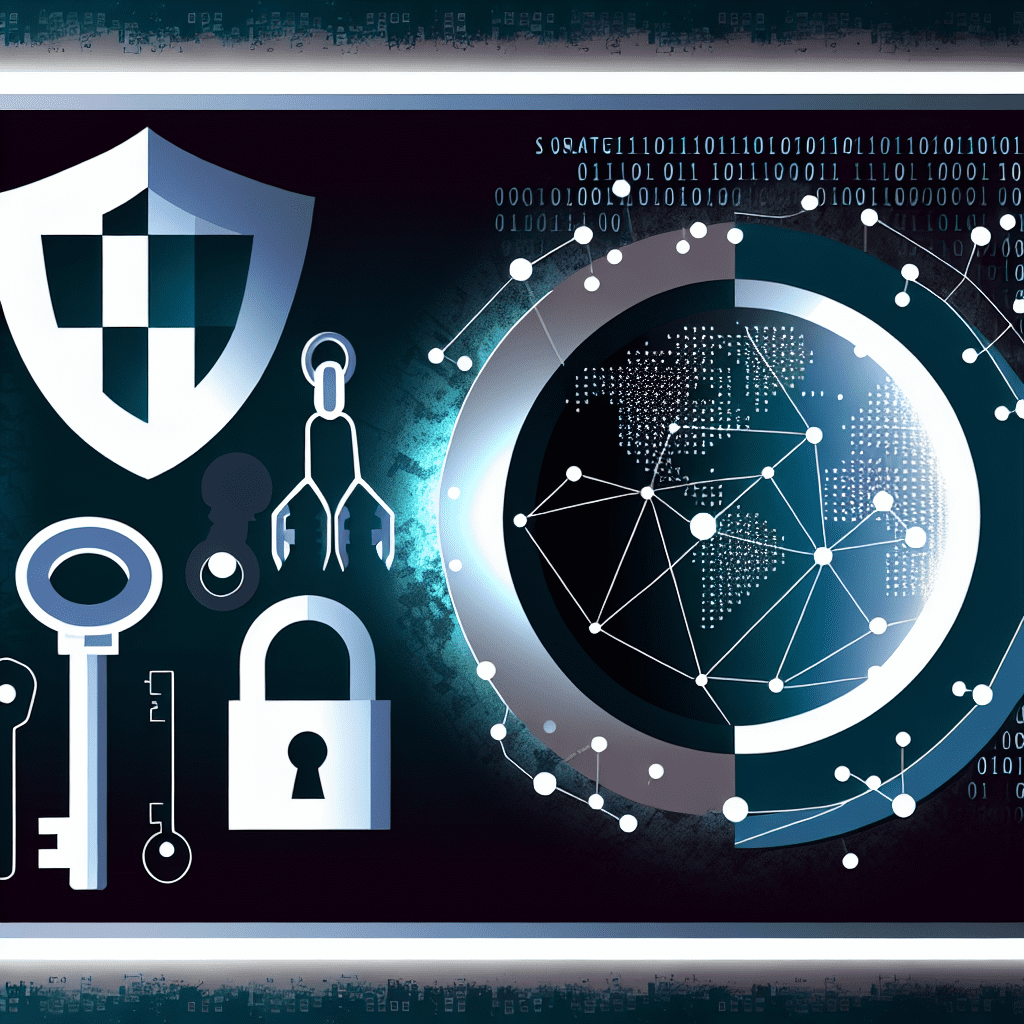
Interconnection of Cyber and Physical Security
- Cyber and physical security are two sides of the same coin, being interlinked and imperative.
- Breaches in cybersecurity can lead to physical consequences.
- Similarly, physical security lapses can compromise digital infrastructures.
Importance of a Unified Security Strategy
A comprehensive approach is necessary for effective risk management:
- Unified Strategy: Addressing both cyber and physical security fronts is crucial.
- Effective Risk Management: Integrating security measures helps in:
- Preventing vulnerabilities across different domains.
- Building long-term resilience against potential threats.
By understanding and implementing a strategy that encompasses both aspects, organizations can enhance their overall security posture.
Understanding the Threat Landscape
In today’s interconnected world, the threat landscape is constantly evolving, with cybersecurity and physical security challenges steadily rising. Cyber threats, such as malware, phishing, and ransomware, are relentless in their pursuit of exploiting vulnerabilities in digital systems. Malware infects devices, compromising sensitive data, while phishing attacks trick individuals into revealing confidential information. Ransomware encrypts files, demanding hefty payments for their release.
On the physical front, threats like trespassing, theft, and vandalism target tangible assets. Trespassers can breach facilities to cause damage or steal valuable property. Theft and vandalism disrupt operations, potentially resulting in severe financial losses.
The convergence of cyber and physical threats is increasingly common, as demonstrated in incidents where cyber attacks facilitate physical intrusions. For instance, a cyber breach into security systems may disable alarms or cameras, allowing undetected physical access. Thoroughly understanding these multifaceted threats is crucial for developing comprehensive security strategies that effectively protect both digital and physical realms.
Integrating Cyber and Physical Security Strategies
In an era where threats know no boundaries, a holistic approach to security is crucial. Integrating cyber and physical security measures provides a unified defense against diverse threats. The benefits are numerous: when systems work together, organizations can respond more effectively to threats, improving both their prevention and reaction capabilities. Consider a corporate setting where digital access controls are paired with physical entry systems; unauthorized access triggers both immediate cyber and physical alerts. This synergy bolsters security by ensuring every potential threat is met with a comprehensive response, demonstrating real-world effectiveness.
Developing a Cyber and Physical Security Strategy
Assessment and Planning
A comprehensive security strategy begins with a thorough risk assessment. It’s vital to evaluate both cyber and physical assets, identifying critical assets and potential vulnerabilities. Conducting such assessments helps pinpoint weaknesses in the infrastructure that could be exploited by threats. Once identified, organizations should establish clear security goals and objectives that align with their risk profile.
Implementation
The next step is implementing security measures grounded in a layered approach. This involves integrating both technological and physical solutions, such as IoT security devices and advanced surveillance systems, to create a robust defense mechanism. Organizations should also develop well-structured response plans for potential threats, outlining procedures for mitigating incidents effectively.
Training and Awareness
A strategy is only as strong as its weakest link, often represented by untrained personnel. Implementing comprehensive training programs is crucial. Organizations should run regular cybersecurity awareness campaigns and provide cybersecurity modules to educate staff at all levels. Furthermore, conducting physical security drills can ensure everyone is prepared to respond appropriately to real-world threats. This dual approach to education fosters a security-conscious culture, reinforcing the strategic plan.
Technology Solutions for Enhanced Security
In today’s interconnected world, leveraging technology is crucial for robust security. For cybersecurity, deploying a strategic mix of tools is key. Firewalls and intrusion detection systems act as the first line of digital defense, blocking unauthorized attempts to access networks. Antivirus and anti-malware software mitigate threats by scanning for malicious activities and software. Furthermore, encryption ensures data security during transmission, while secure access controls authenticate users, safeguarding sensitive information.
On the physical front, surveillance cameras and CCTV systems provide real-time monitoring, acting as both a deterrent and a means of evidence collection. Access control systems, such as keycards and biometric readers, restrict entry to authorized individuals only. Alarm systems and sensors immediately alert authorities to unauthorized access or breaches, enabling swift responses to threats. By integrating these cyber and physical technologies, organizations can create a robust and cohesive security environment that addresses vulnerabilities from all angles.
Challenges in Combining Cyber and Physical Security
Integrating cyber and physical security presents a unique set of challenges. One of the most significant hurdles is overcoming organizational silos. Departments responsible for physical security and those handling cyber security often operate independently, leading to fragmented approaches. To achieve seamless integration, there needs to be a shift towards cross-functional collaboration and communication.
Budget constraints further complicate efforts to merge these domains. Allocating resources effectively requires careful prioritization of security measures that address both cyber and physical threats. Organizations must be strategic in selecting cost-efficient solutions that do not compromise on protection.
Additionally, the rapidly evolving threat landscape adds complexity. Cyber threats like malware and phishing continue to advance, while physical threats such as theft and vandalism persist. Staying ahead of these dual threats demands continual assessment of current tactics and the agility to adapt to new technologies and methodologies.
Best Practices for Effective Security Management
Effective security management hinges on several key practices. Firstly, it’s essential to maintain up-to-date security policies and procedures. This involves regularly reviewing protocols to ensure they align with the latest industry standards and threats. Equally crucial is the consistent upgrading of security technologies to stay ahead of potential vulnerabilities.
Building a culture of security within the organization is pivotal. This means embedding security consciousness into everyday operations and decision-making processes. Encouraging open communication and collaboration between departments also fosters an environment where security is everyone’s responsibility, not just the IT or security team’s concern.
Real-world Examples of Strategic Security Solutions
In the dynamic landscape of security, practical examples illuminate the path forward. In critical infrastructure, for instance, cyber-physical security becomes paramount. Take power grids: integrating monitoring software with physical access controls mitigates risks like sabotage and cyber intrusions. In the financial sector, advanced encryption paired with robust surveillance systems proves effective, bolstering defenses against both cyber fraud and internal threats. Meanwhile, the healthcare industry showcases innovative solutions such as biometric authentication alongside IoT-enabled monitoring, ensuring patient data is protected while facilities remain secure. These examples underscore the necessity of cohesive, adaptive strategies in safeguarding vital operations across sectors.
Future Trends in Cyber and Physical Security
The security landscape is rapidly evolving with advancements in technology and the emergence of new threats. Artificial intelligence (AI) is playing a pivotal role in both cyber and physical security. AI-driven analytics offer real-time threat detection, enabling quicker response times and reducing the burden on human operators. For instance, AI can analyze behavior patterns to flag potential malicious activities before they result in significant breaches.
The proliferation of the Internet of Things (IoT) and the expansion of smart technologies offer both opportunities and challenges. IoT devices improve efficiency and connectivity but also introduce new vulnerabilities. Securing these devices is crucial, as they often act as gateways for cyber intrusions that can bridge into physical threats, particularly in critical infrastructures like energy and transportation.
Emerging threats continue to develop alongside technology. Quantum computing, for example, poses potential risks to traditional encryption methods, necessitating advancements in cryptography. Organizations must stay vigilant and proactively adapt their strategies to prepare for these evolving threats, ensuring robust defenses that blend cutting-edge technologies with traditional security measures.
Conclusion
In an era where threats are increasingly sophisticated and intertwined, the importance of a strategic approach to security cannot be overstated. The fusion of cyber and physical security strategies into a unified framework is crucial for effectively safeguarding assets. Such integration ensures that an organization is prepared to confront the complex and dynamic nature of modern threats.
Achieving a robust and integrated security framework requires continuous evaluation and proactive measures. Organizations must remain vigilant and adaptable, refining their strategies as technologies and threats evolve. By fostering a culture of security and prioritizing comprehensive defenses, companies can better protect themselves and their stakeholders.
A call to action is imperative: continually assess, enhance, and innovate your security posture. Only then can organizations hope to stay one step ahead in the relentless battle against cyber and physical threats.
Additional Resources
For those looking to deepen their understanding of strategic cyber and physical security solutions, several key resources can be invaluable.
Recommended Reading
-
“The Art of Cybersecurity: Strategies for a Connected World” by Jonathon Reily
Offers insights into integrating cybersecurity measures in a connected world. -
“Securing the Modern Workplace” by Laura Bennett
Provides strategies for enhancing security in contemporary work environments.
Industry Reports
Explore reports from leading security firms to stay updated on the latest trends and strategies:
- Cybersecurity and Infrastructure Security Agency (CISA)
- International Association of Professional Security Consultants (IAPSC)
Online Platforms for Learning
Enhance your expertise through courses and certifications offered by:
- SANS Institute
- ISC²
Professional Networks
For tailored advice and support:
- Reach out to security consultants via professional networks like LinkedIn.
- Contact consultants directly through their company websites for more personalized guidance.