
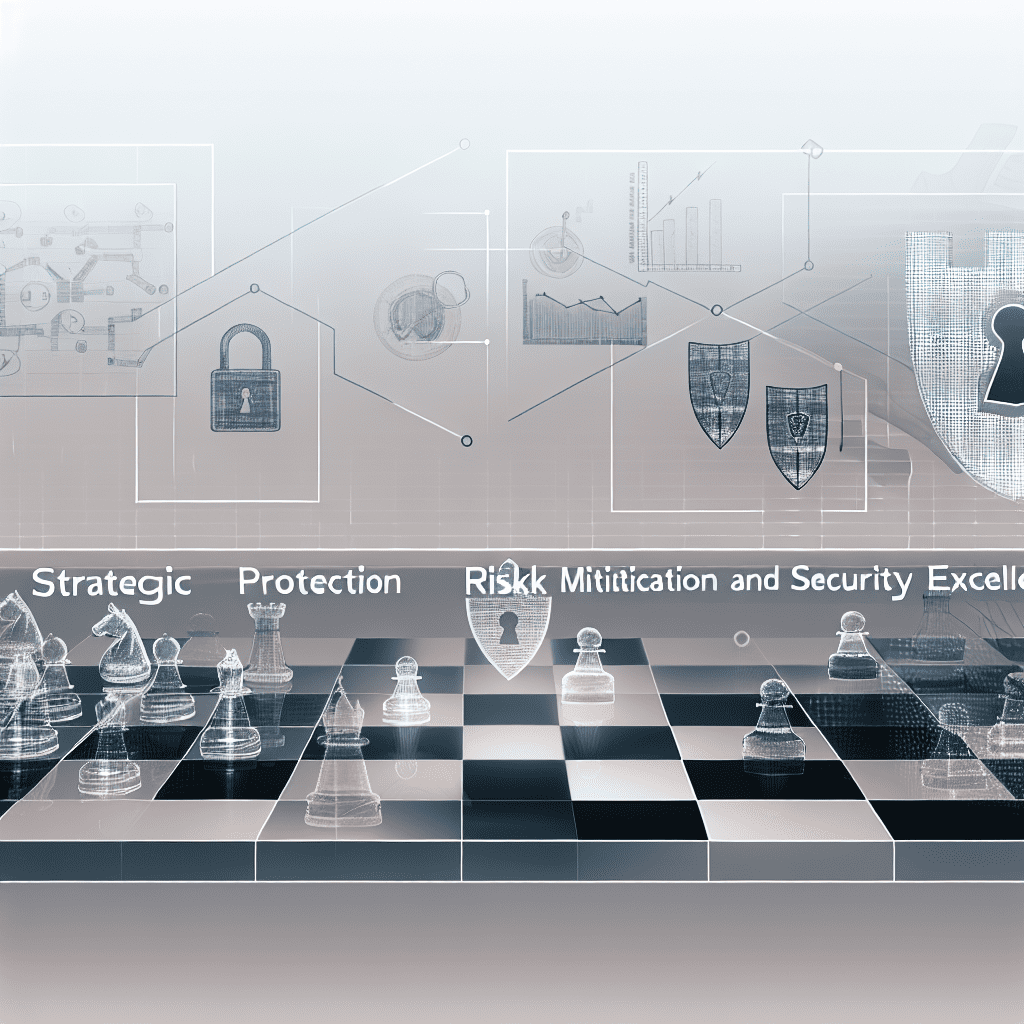
Introduction
In the intricate landscape of modern business, the term “Strategic Protection” has gained prominence, encompassing the comprehensive efforts to safeguard assets and ensure resilience against threats. As organizations navigate a volatile mix of technological evolution and unpredictable market shifts, understanding the nuances of risk mitigation becomes paramount. The significance lies in its capacity to shield enterprises, maintaining operational stability and bolstering confidence among stakeholders.
This article aims to deliver actionable insights and best practices that pave the path toward achieving exemplary security standards. By exploring the interconnections of risk assessment, security frameworks, and cultural integration, businesses can elevate their protective mechanisms, fostering an environment where innovation and safety coexist. The strategic approaches discussed here will not only illuminate the complexities of contemporary risk dynamics but empower decision-makers to proactively chart a course toward security excellence.
Understanding Risk Mitigation
Risk mitigation is about reducing the potential impact of threats to an acceptable level. It’s critical for maintaining resilience in a business landscape that can turn unpredictable overnight. Imagine you’re navigating a maze with traps. Risk mitigation is your map and toolkit, helping you avoid or deal with those traps.
Types of Risks
- Financial Risks: Involve market volatility and liquidity issues.
- Operational Risks: Cover internal processes and human errors.
- Cybersecurity Risks: Concern unauthorized access and data breaches.
- Compliance Risks: Deal with legal and regulatory requirements.
- Strategic Risks: Involve changes in the market and competitive landscape.
Risk Assessment Process
To handle these risks, you start with a risk assessment process. This includes:
- Identifying Potential Risks: List all possible threats.
- Analyzing their Nature: Understand what each risk involves.
- Evaluating Impact and Probability: Determine how likely each risk is and its potential effect.
It’s a straightforward but vital process that forms the backbone of strategic protection. Without it, even the best-laid plans are just shots in the dark.
Frameworks for Security Excellence
Establishing a robust security framework is the backbone of ensuring security excellence. It involves adopting comprehensive risk management frameworks such as NIST or ISO 31000 that help outline strategies to identify, evaluate, and prioritize risks. Adherence to cybersecurity protocols and standards like ISO 27001 and CIS Controls ensures that best practices are followed across all operations to safeguard critical information assets.
Incident response planning is also crucial. This process develops structured procedures to quickly address security breaches, minimizing impact, and facilitating rapid recovery.
For security to be truly embedded in an organization, it needs to be part of its culture. This starts with leadership commitment—executives must visibly support security initiatives. Employee training and awareness programs are necessary to equip staff with the knowledge to recognize and respond to threats. A culture of continuous improvement and feedback loops ensures ongoing refinement of security measures, adapting to new challenges and vulnerabilities as they arise.
Key Strategies for Effective Risk Mitigation
When it comes to effective risk mitigation, being proactive is half the battle. The first step is consistent risk identification through regular assessments. Tools like SWOT analysis help spot vulnerabilities, while vulnerability management ensures you’re ready for any threat.
Next, consider employing various mitigation techniques. Risk avoidance means steering clear of unacceptable risks, whereas risk transfer involves outsourcing or insurance to shift the burden. Risk reduction focuses on implementing controls and safeguards, aiming to lessen impact. Sometimes, it’s practical to accept and retain certain risks—knowing when to do so is key.
Utilize modern tools and technologies to streamline security efforts. Security Information and Event Management (SIEM) tools monitor any suspicious activities, while threat intelligence platforms keep you informed of potential dangers. Network security solutions offer that critical line of defense in protecting your organization’s assets and data.
Building a Culture of Security Excellence
Creating a security-centric culture isn’t just about policies but embedding security into the DNA of the organization. Empowering teams is crucial. Encourage cross-department collaboration to break silos. Appoint security champions to advocate for best practices. Recognize efforts through reward programs, fostering a sense of ownership.
Continuous learning is the backbone. Host workshops, provide access to online courses, and attend industry conferences. This keeps teams updated and motivated.
For innovation, encourage security R&D. Learn from past experiences and embrace feedback. Keep pace with threats and technologies to ensure resilience and adaptability in security practices.
Case Studies and Examples
Successful Implementation of Strategic Protection
Case Study 1: Financial Sector Risk Mitigation
In the financial sector, a multinational bank took decisive steps to enhance its risk mitigation strategies. By implementing a comprehensive Security Information and Event Management (SIEM) system, the bank effectively monitored and responded to potential threats in real time. This proactive approach reduced unauthorized access incidents by 40%, safeguarding critical customer data and maintaining trust.
Case Study 2: Manufacturing Supply Chain Security
A global manufacturing giant prioritized supply chain security by integrating cybersecurity protocols into every link of the chain. By utilizing threat intelligence platforms, the company was able to predict and prevent disruptions caused by cyber threats. This strategic protection ensured uninterrupted production and delivery, leading to a reported 15% increase in operational efficiency.
Case Study 3: Healthcare Data Protection and Privacy
A leading healthcare provider transformed its data protection framework through robust encryption techniques and compliance with healthcare-specific security standards like HIPAA. By focusing on risk reduction strategies, they managed to lower data breach incidents by 25%. Patient trust was enhanced, demonstrating the vital link between security excellence and client confidence.
Challenges and Obstacles in Risk Mitigation
When implementing risk mitigation strategies, organizations face several hurdles:
Evolving Nature of Threats
- Dynamic Landscape: Threats constantly change, requiring organizations to stay vigilant and adaptable.
- Up-to-date Defenses: It can be challenging to maintain defenses that are current and effective against emerging threats.
Resource Allocation
- Limited Budgets: Financial constraints often necessitate difficult decisions about which areas should receive priority.
Human Error
- Reliance on People: Even the most sophisticated systems depend on human involvement, which can lead to mistakes.
Risk-aware Culture
- Cohesive Culture: Achieving a risk-aware environment across all departments is challenging.
- Employee Buy-in: Policies alone aren’t enough; genuine commitment from all employees is necessary.
Addressing these challenges is crucial for achieving true security excellence.