
Introduction
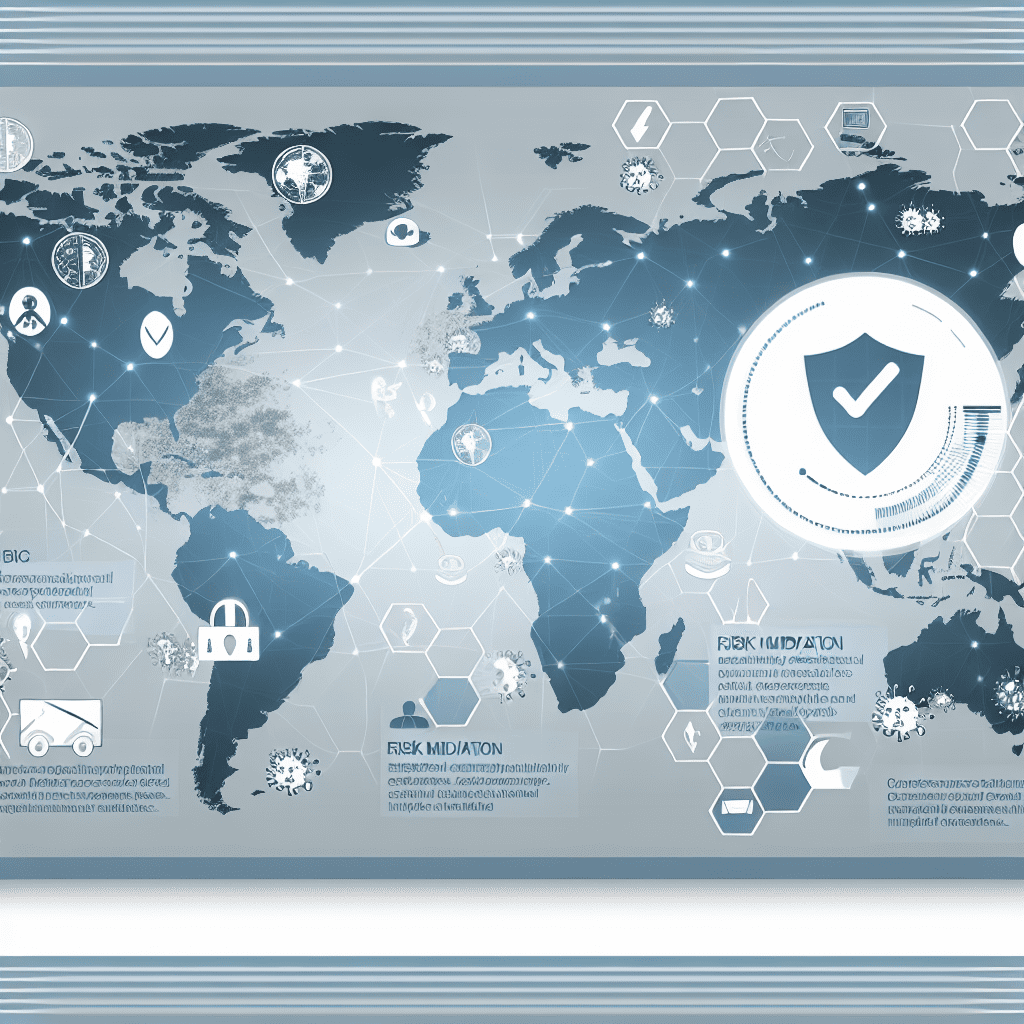
In an increasingly interconnected world, global security challenges are transforming at a rapid pace, demanding a robust rethinking of traditional strategies. From the rise of cyber threats to geopolitical tensions, the landscape is filled with complex risks that transcend borders and industries. Strategic risk mitigation, therefore, becomes more than just a precaution—it’s an essential component for ensuring stability and safety on a global scale. This article will explore the multi-faceted layers of global strategic security, identifying key components, advanced strategies, and the role of international collaboration in building resilience and safeguarding our future.
Understanding Global Security
Global strategic security isn’t just a buzzword; it’s an ever-evolving necessity. It entails safeguarding national interests, assets, and citizens on a worldwide scale. The scope includes anything from military operations to economic stability and cyber resilience. In today’s interconnected world, we’re seeing a surge in non-traditional threats. Think cyber attacks, terrorism, and even biological risks. With globalization tightening these complex networks, vulnerabilities increase, making security a moving target. The impact of globalization also means that what happens in one corner of the globe can ripple out, affecting multiple countries, industries, and individuals alike.
Key Components of Strategic Security Solutions
At the heart of strategic security solutions are three core components: risk assessment, crisis management, and technology integration. Effective risk assessment involves identifying potential dangers and vulnerabilities in a given environment. This requires a structured analysis to understand threats and their potential impact.
Crisis management and response planning ensure that when issues do arise, there are robust procedures in place to minimize damage and facilitate swift recovery. Coordination and communication are paramount here, ensuring that all relevant parties understand their roles and responsibilities.
Lastly, integrating technology and cybersecurity into the overall strategy is crucial. In today’s digital age, leveraging advanced tech tools can enhance detection, prevention, and response capabilities, offering a layered defense against evolving security threats. Together, these components create a comprehensive framework for addressing complex global security challenges.
Assessing Risks in Global Contexts
Before diving into risk mitigation, understanding the nature of potential threats is crucial. This begins with identifying threats ranging from cyber attacks to geopolitical tensions. These don’t exist in a vacuum—they are intricately tied to the geopolitical landscape where shifting alliances and conflicts impact stability. Geopolitical intelligence becomes vital, offering insights into political climates, economic conditions, and regional tensions that could escalate into security issues. Equally important is understanding cultural and political subtleties, as these can often dictate how risks manifest and how they are perceived locally. A nuanced approach in risk assessment results in a more accurate evaluation of vulnerabilities, ultimately facilitating more effective mitigation strategies.
Advanced Risk Mitigation Strategies
In today’s world, reacting to dangers as they arise is not enough; we must be proactive. Proactive risk prevention involves anticipating threats before they materialize, minimizing their potential impact. This means continuously updating threat intelligence and employing preventative measures to avert crises before they happen.
Security frameworks serve as blueprints for resilience, establishing robust protocols to withstand and counteract threats effectively. An ideal framework is adaptable to the evolving threat landscape, comprehensive in scope, and easily implementable across various sectors.
Building resilient infrastructures isn’t just about fortifying physical structures but creating systems immune to rapid changes and disruptions. This involves integrating risk-conscious thinking into the design and operation of critical facilities, ensuring continuity even amidst unforeseen challenges.
Importance of Technology in Security
Technology’s role in security cannot be overstated. AI and machine learning have revolutionized threat detection, turning data into actionable insights faster than humanly possible. They’re the silent sentinels, tirelessly scanning for anomalies and learning from vast data pools to predict potential threats. Cybersecurity innovations, from advanced encryption techniques to blockchain, form the digital moat, securing sensitive information against relentless cyber onslaughts. Data analytics enhances this further, enabling predictive security modeling that anticipates risks before they manifest, shifting the strategy from reactive to proactive.
Notable Case Studies
When it comes to effective global security strategies, some cases stand out for their success and resilience. The coordination between various international agencies during the 2012 London Olympics, for example, offers valuable insights. The comprehensive approach integrated physical security with cutting-edge technology, setting a benchmark in risk mitigation for large-scale events. On the flip side, the security shortfalls during the 2011 Fukushima disaster remind us of the potential repercussions when risk assessments fail. Multinational corporations like IBM serve as blueprints for cybersecurity, consistently demonstrating best practices in protecting vast networks against evolving threats. These examples underscore the importance of continuous learning and adaptation in global strategic security.
The Role of International Collaboration
International collaboration is vital in tackling global security challenges, as no nation can handle these threats alone. Effective cooperation between governments can significantly enhance strategic security measures. Successful examples include the Five Eyes alliance, which sees English-speaking countries sharing crucial intelligence, thereby fostering unity in combating global threats. Similarly, the International Criminal Police Organization (Interpol) facilitates cross-border crime-fighting efforts, pooling resources and knowledge. By promoting dialogue and joint initiatives, nations can better prepare and respond to security risks, underscoring the importance of global cooperation in a fragmented world.
Challenges and Barriers
Implementing effective global security solutions remains fraught with challenges. Common obstacles include the complexity of aligning multiple stakeholders across varied legal and regulatory environments. Balancing privacy concerns with security demands adds another layer of difficulty; striking the right balance between protecting individual freedoms and ensuring communal safety is a delicate and ongoing negotiation. Furthermore, resource constraints often hamper the deployment of comprehensive security frameworks, necessitating strategic prioritization and innovative resource management. Logistical hurdles, such as integrating disparate technologies and systems, further complicate efforts. Addressing these barriers requires a concerted effort to develop adaptable, scalable solutions that can operate within these constraints while still delivering robust security outcomes.
The Future of Global Security
The landscape of global security is shifting rapidly, driven by emerging trends in risk mitigation and technological advancements. One of the main trends likely to shape the future is the evolution of AI-driven solutions, which promise to enhance the ability to predict and neutralize threats before they materialize. As technologies such as quantum computing and blockchain mature, they will usher in a new era of cybersecurity with resilient infrastructure and secure data transaction systems.
Throughout the next decade, geopolitical shifts and transnational challenges like climate change are expected to reshape security frameworks. These will demand adaptive strategies that account for non-traditional risks and stress global collaboration. Collaboration will involve not only governments but also private sector players and NGOs, ensuring a multi-faceted approach to security.
As nations strive to maintain sovereignty while engaging in international cooperation, the balance between privacy rights and security measures will remain a critical debate. This will require innovative approaches to policy-making and the implementation of flexible yet robust security measures.
In summary, the future of global security will pivot on technological innovations, collaborative frameworks, and proactive policy adjustments. Those able to adapt to these changes swiftly will be well-positioned to mitigate risks and thrive in an increasingly interconnected world.
In a rapidly evolving global landscape, the discussion of strategic security and risk mitigation remains paramount. We’ve delved into key components such as risk assessment, crisis management, and the transformative role of technology. It’s clear that effective security solutions require continuous innovation and adaptability to meet new challenges. As the threats become more sophisticated and interconnected, stakeholders—ranging from governments to corporations—must prioritize and invest in these security strategies. A proactive approach not only protects assets but also fosters a safer world for future generations. Let’s take action now to ensure a secure tomorrow.
References
When delving into global strategic security and risk mitigation, it’s essential to refer to reputable sources. Key resources include articles from the “Journal of Strategic Security” and reports from think-tanks like the RAND Corporation and the International Institute for Strategic Studies. To understand emergent threats, publications by the Council on Foreign Relations and the Center for Strategic and International Studies are indispensable. Organizations such as the United Nations Office of Counter-Terrorism and NATO offer critical insights into international security policies. For further reading, “The New Geopolitics” by Michael Balter and “Cybersecurity and Digital Privacy” by Elizabeth Rogers provide valuable perspectives.
Call to Action
We invite you to consider the question: How prepared are we, individually and collectively, to address global security challenges? Reflect on the security measures in place within your community or organization, and think about ways to enhance these strategies. Share this post with colleagues and friends, and let’s spark a conversation on how we can all contribute to a safer world. We welcome your thoughts and questions in the comments below—let’s discuss and learn from each other.